Lines & Matter

Shop Insects · Volume 1 →

Insects · Volume 1

Explore 40 real insect species through reference photographs and source-backed notes. Open each card for more facts and research links.


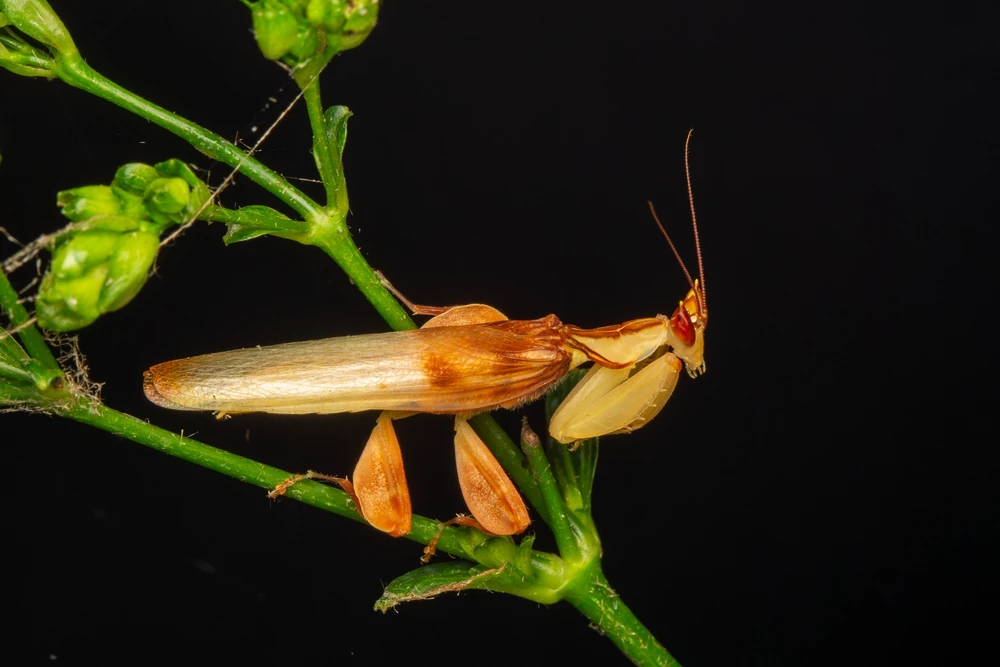
Orchid Mantis reference photograph

Orchid Mantis

Hymenopus coronatus

In field experiments, living juvenile female orchid mantises attracted wild pollinators while isolated from flowers and captured visiting insects.

More facts and sources
  • White coloration and petal-like middle/hind femoral lobes are distinct components of its floral resemblance.
  • In the studied samples, mantis colors were difficult for hymenopteran pollinator vision models to distinguish from many local flowers.

Research sources

Photo: Hymenopus coronatus · observation 369927155 · dhfischer · CC BY
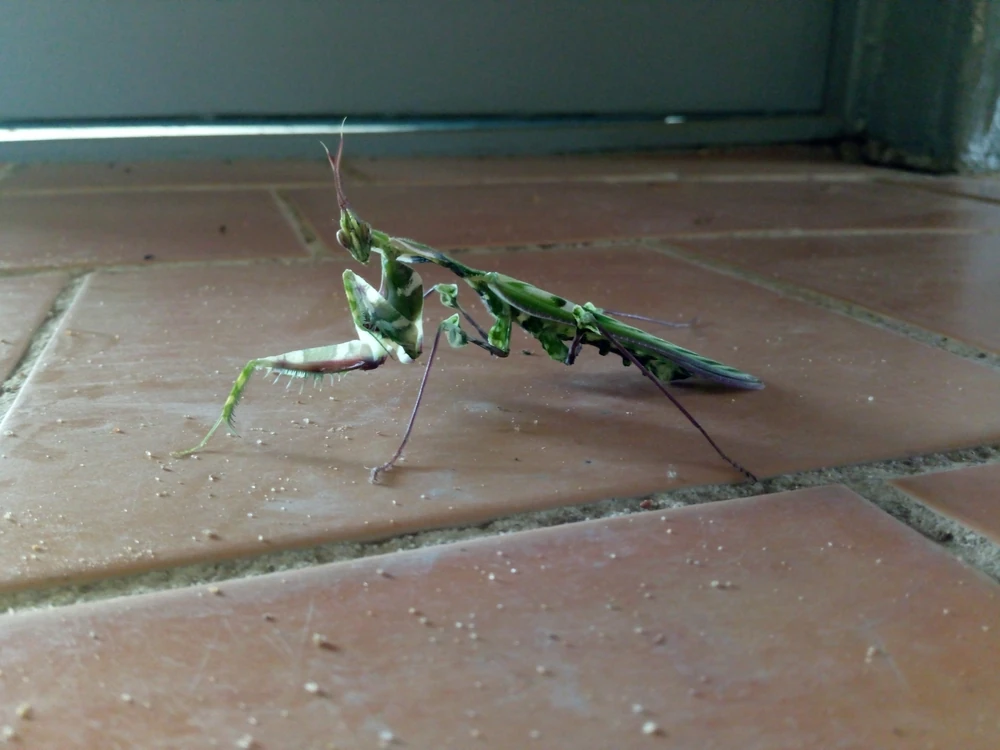
Spiny Flower Mantis reference photograph

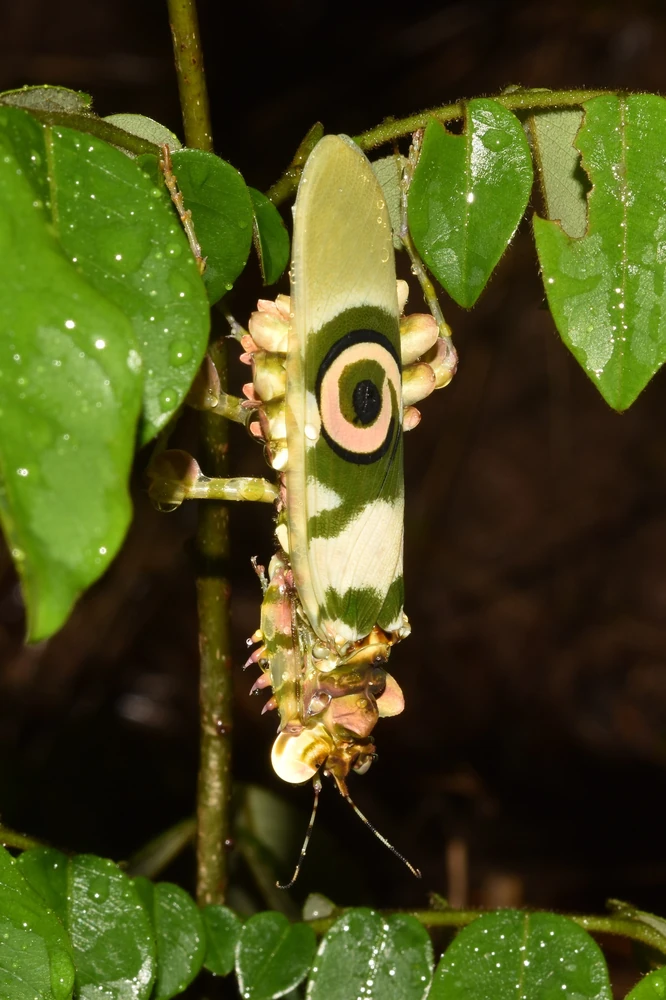
Spiny Flower Mantis

Pseudocreobotra wahlbergi

The species occurs in southern and eastern Africa.

More facts and sources
  • Adults show spiral-like false eyes resembling a 9 on the forewings during a wing-spreading threat display.
  • Wingless nymphs instead have a conspicuous dorsal abdominal eyespot.

Research sources

Photo: Pseudocreobotra wahlbergi · observation 243023917 · Sunčana Bradley · CC BY

Ghost Mantis reference photograph

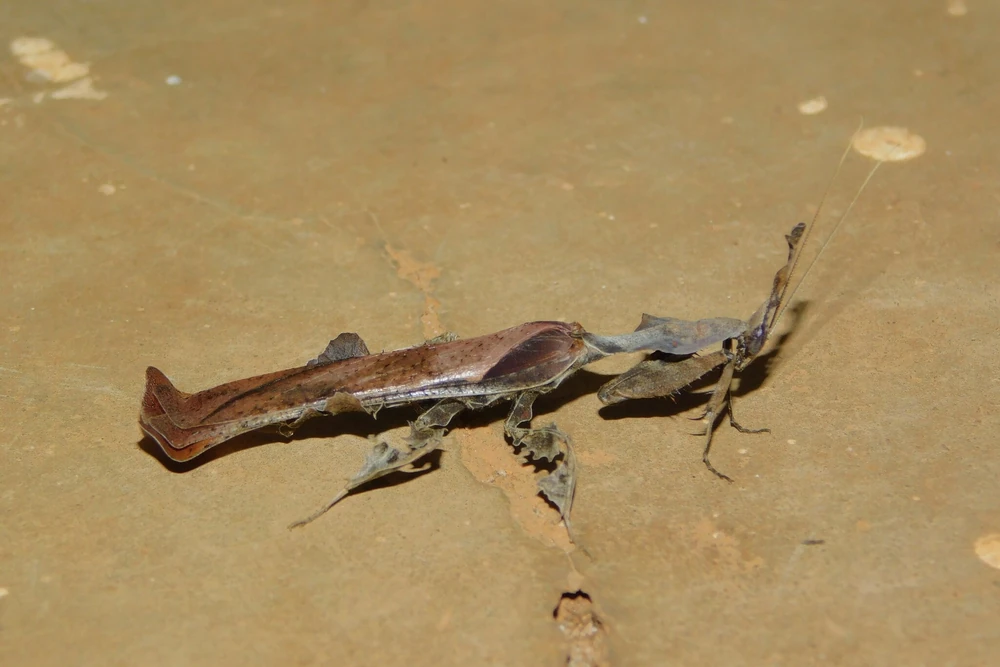
Ghost Mantis

Phyllocrania paradoxa

Saint Louis Zoo identifies the species as native to Africa, including Madagascar.

More facts and sources
  • Its head ornamentation helps it resemble dried leaves.
  • It waits for insects within reach and grabs them with spiny forelegs; flies are prominent prey in the zoo account.

Research sources

Photo: Phyllocrania paradoxa · observation 196359432 · Tommy Andriollo · CC BY

Giant Dead Leaf Mantis reference photograph

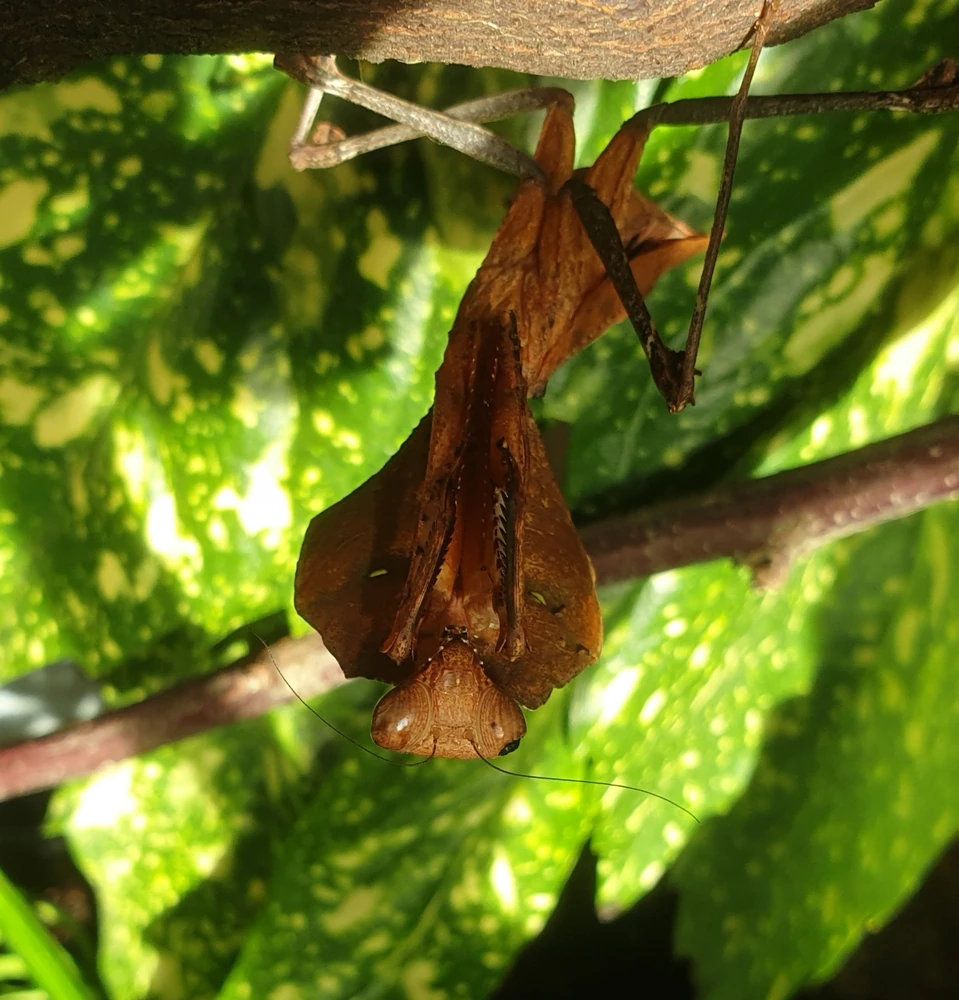
Giant Dead Leaf Mantis

Deroplatys desiccata

Tama Zoo describes this dead-leaf mantis as resembling a dried leaf.

More facts and sources
  • Its wing-spreading threat display exposes eyespot markings on the undersides of the forewings.
  • It sometimes rocks on branches, resembling a leaf shifting in a breeze.

Research sources

Photo: File:Adult female Deroplatys desiccata.jpg · Bort07 · CC0

Wandering Violin Mantis reference photograph

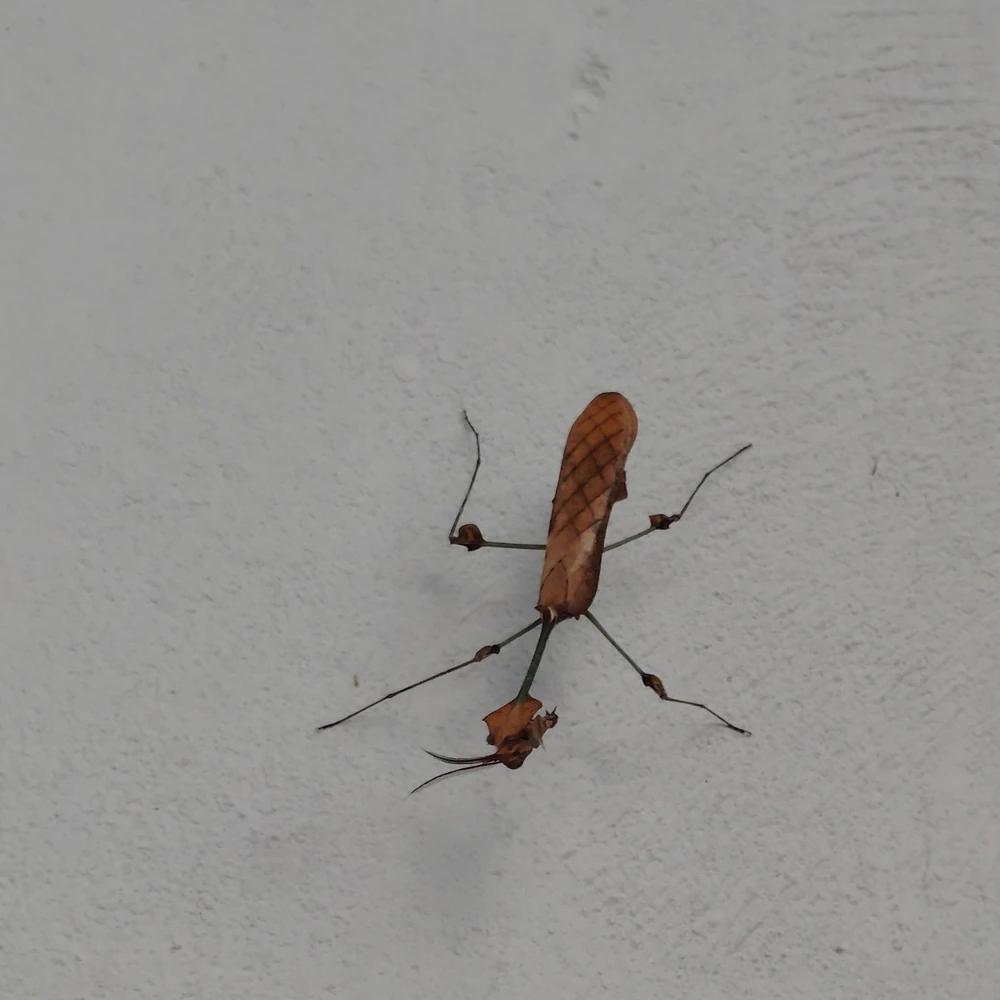
Wandering Violin Mantis

Gongylus gongylodes

The species account describes this mantis hanging upside down in shrubs and bushes.

More facts and sources
  • Adult males have comb-shaped antennae; females have short filament-like antennae.
  • The account gives male lengths around 7–8 cm and female lengths around 9–10 cm.

Research sources

Photo: Gongylus gongylodes · observation 336032693 · Paulmathi Vinod · CC BY

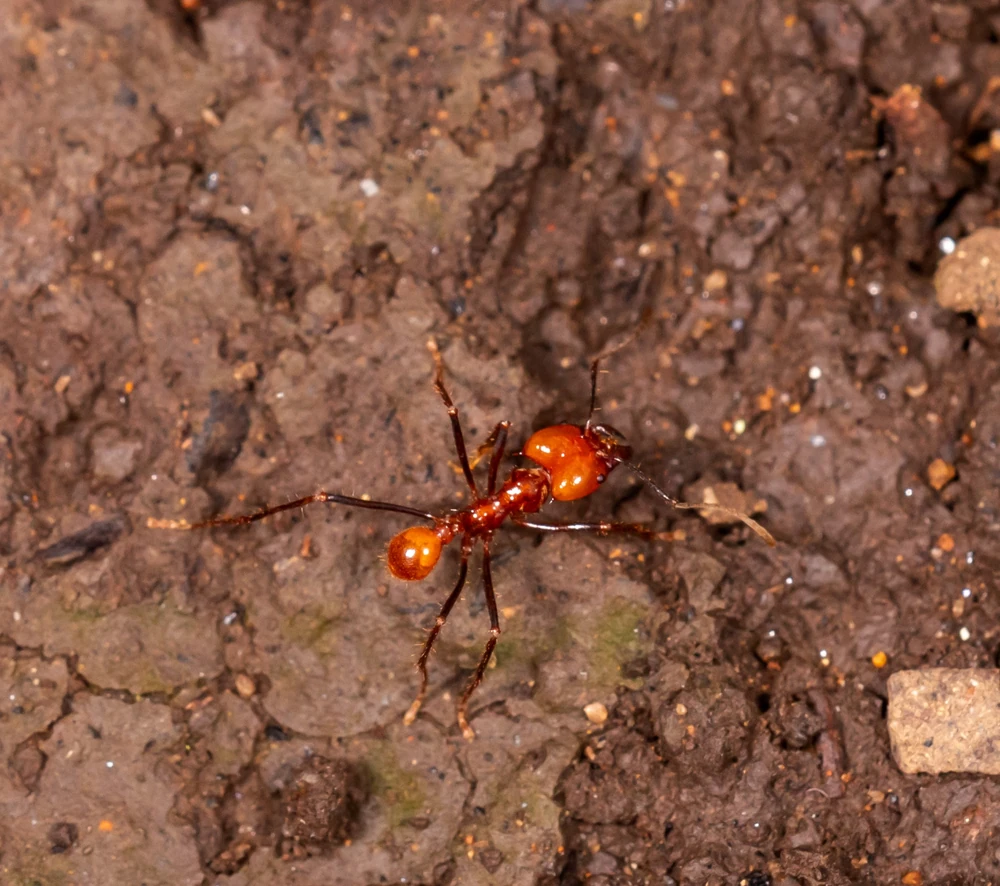
Leafcutter Ant reference photograph

Leafcutter Ant

Atta cephalotes

Workers cut fresh leaves to grow a specialized fungus that supplies the colony with food.

More facts and sources
  • Workers differ greatly in size and duties: smaller ants tend gardens and brood, larger workers forage, and the largest serve as soldiers.
  • A study found stable fungal cultivar genotypes in four Atta cephalotes nests over about five years; a separate survey in the same study found six-year stability in three A. texana nests.

Research sources

Photo: Atta cephalotes · observation 281935410 · portioid · CC BY

Giant Prickly Stick Insect reference photograph

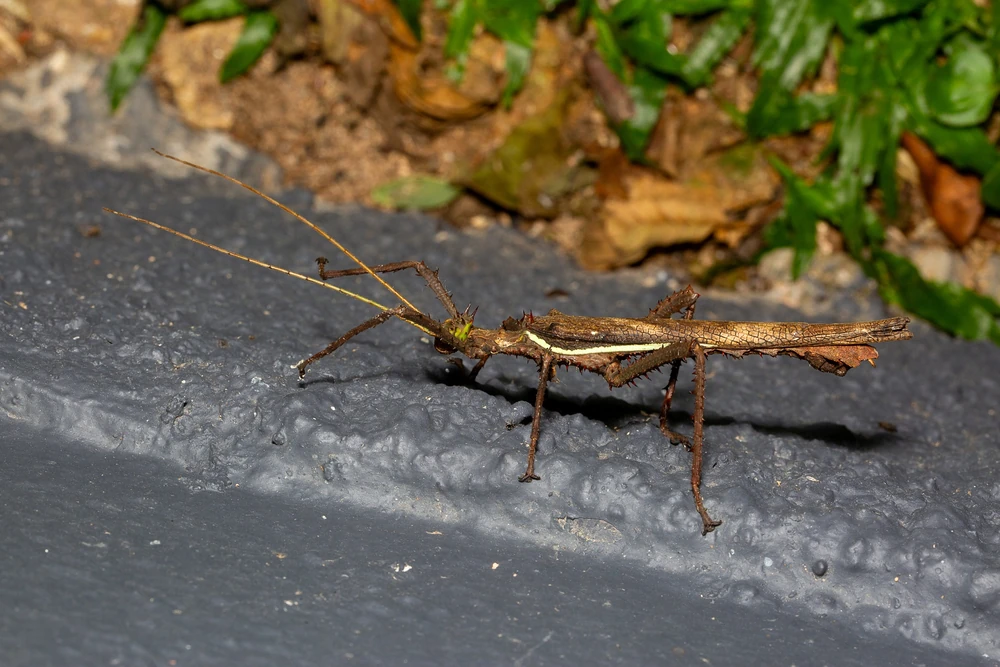
Giant Prickly Stick Insect

Extatosoma tiaratum

Perth Zoo lists Queensland and New South Wales, Australia, as its distribution.

More facts and sources
  • It eats leaves, usually eucalyptus in its natural setting.
  • Females have heavy bodies and reduced nonfunctional wing plates; slender males have full wings for flight.

Research sources

Photo: Extatosoma tiaratum · observation 67394063 · Thomas Mesaglio · CC BY

Malaysian Jungle Nymph reference photograph

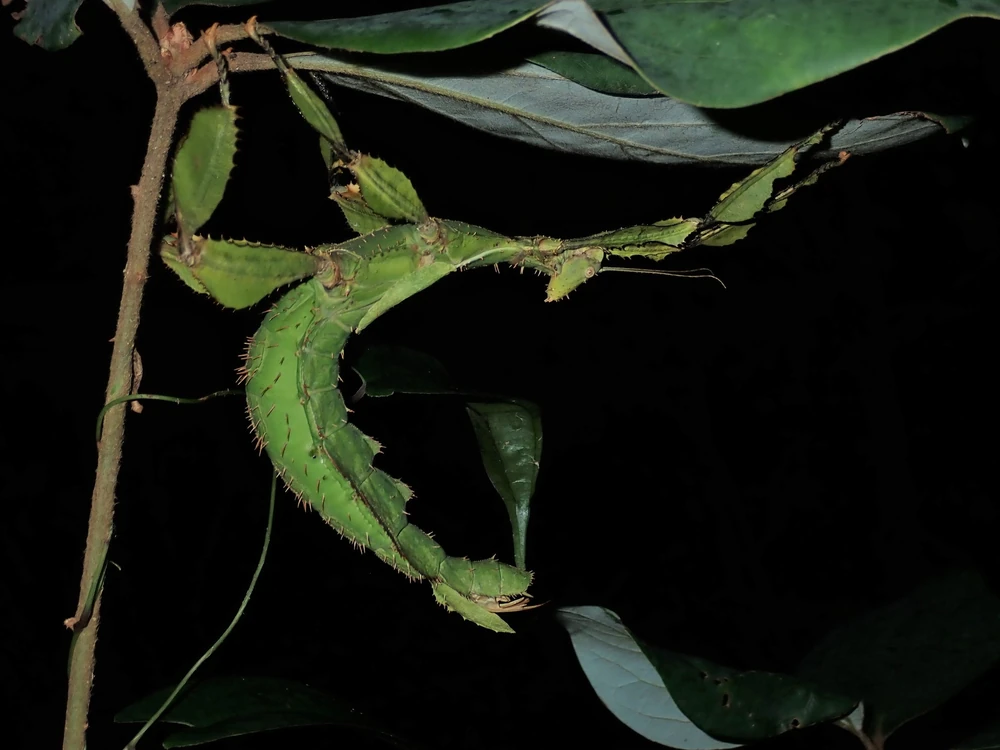
Malaysian Jungle Nymph

Heteropteryx dilatata

The species is herbivorous and active at night.

More facts and sources
  • Large adult females are usually deep green with reduced wings; smaller brown males have developed wings and can glide.
  • The spiny hind legs are lifted and used to clamp at a disturbance in defense.

Research sources

Photo: Heteropteryx dilatata · observation 245159936 · dhfischer · CC BY
Thorn Bug reference photograph

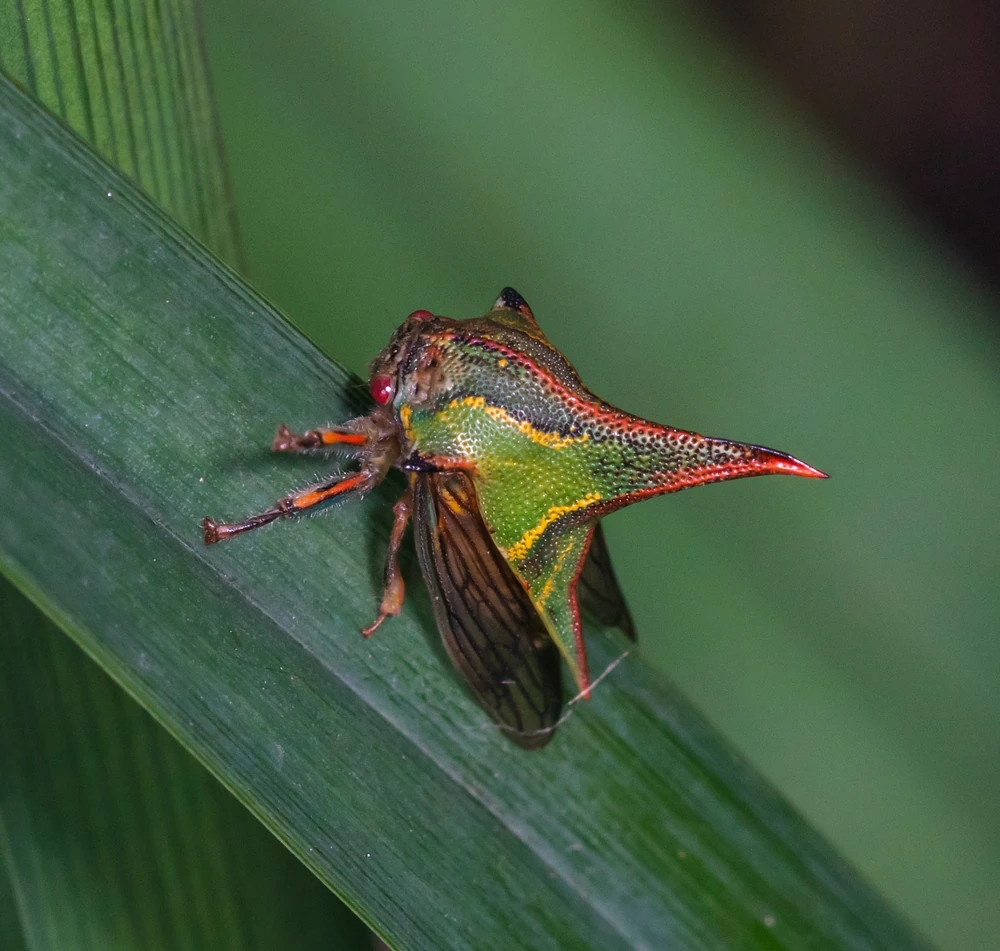
Thorn Bug

Umbonia crassicornis

Adults and nymphs pierce plant tissue and take sap.

More facts and sources
  • Typical adults are about half an inch long, green/yellow with reddish lines and brown markings; their pronotal horn varies by sex.
  • Females tend their brood; young nymphs have three horns rather than the single adult horn.

Research sources

Photo: Umbonia crassicornis · observation 282504144 · portioid · CC BY

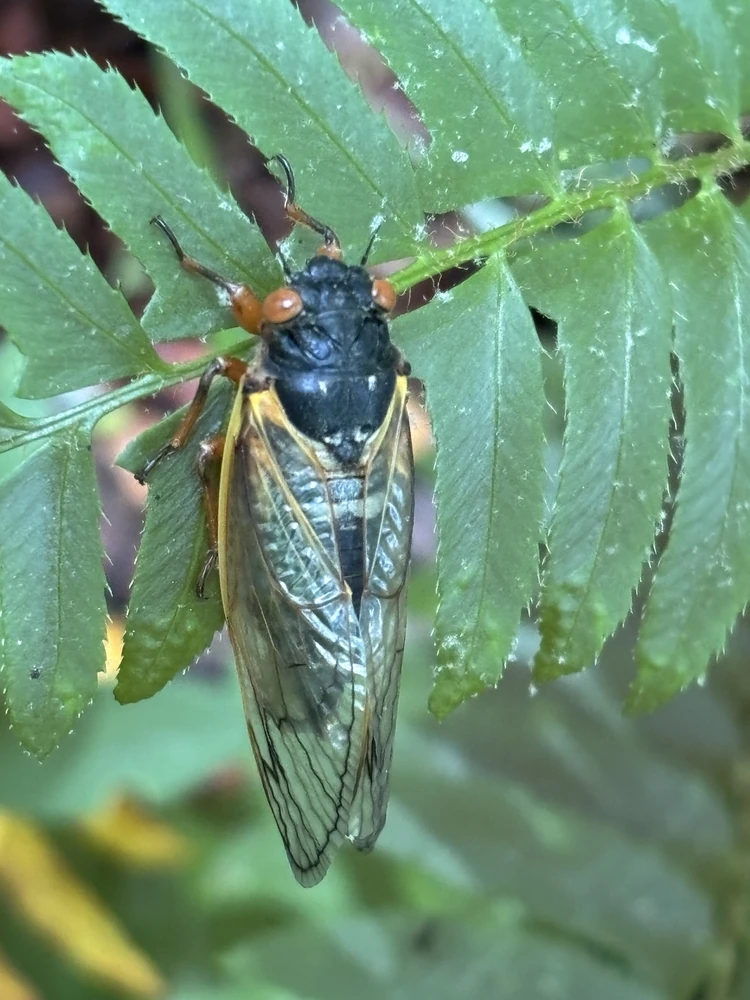
Seventeen-year Cicada reference photograph

Seventeen-year Cicada

Magicicada septendecim

Nymphs develop underground for 17 years and feed on tree-root sap.

More facts and sources
  • Adults live only a few weeks and males sing to attract females.
  • Specialist diagnostic traits include broad orange bands beneath the abdomen and orange thorax patches behind the eyes.

Research sources

Photo: Magicicada septendecim · observation 371338052 · Mark Eanes · CC BY

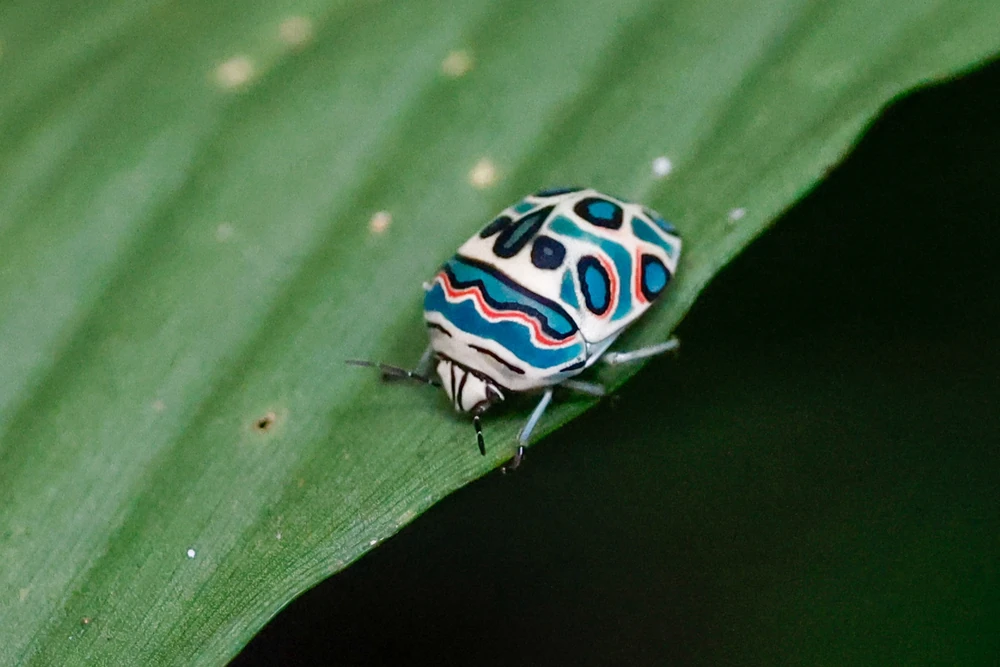
Picasso Bug reference photograph

Picasso Bug

Sphaerocoris annulus

This shield-backed bug belongs to Scutelleridae; adults may reach about 15 mm.

More facts and sources
  • Its host plants include cotton, coffee and citrus; the 2017 paper reports an adult observation from Mongu, Zambia.
  • Eleven dark-outlined areas on the scutellum form a characteristic 5–4–2 arrangement.

Research sources

Photo: Sphaerocoris annulus · observation 263018827 · Tom Field · CC BY

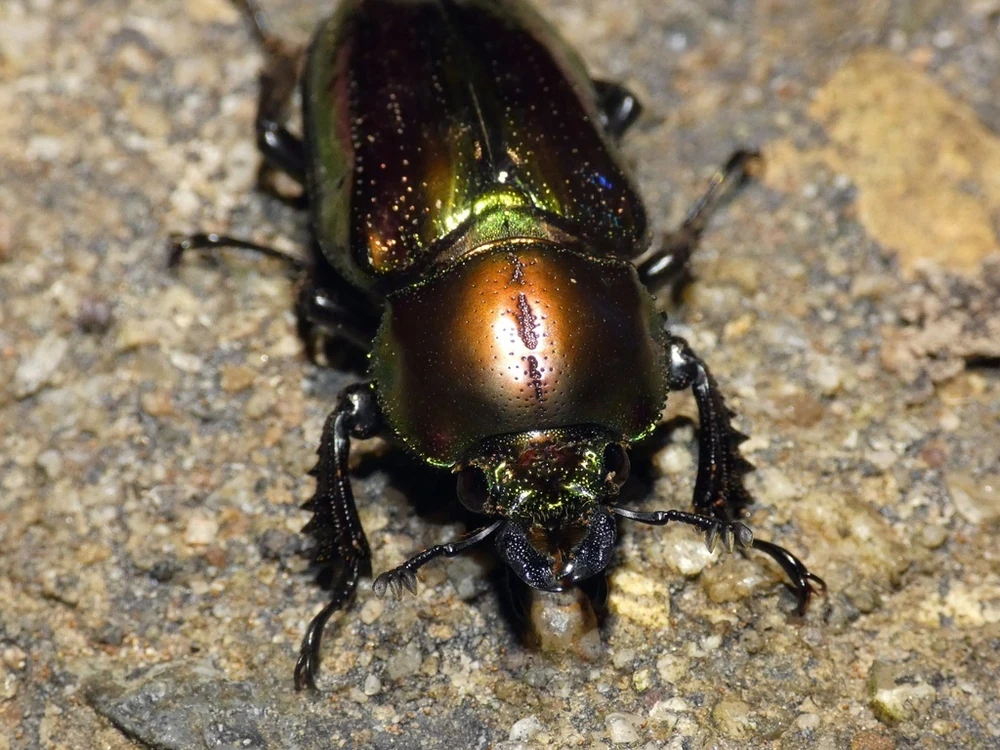
Rainbow Stag Beetle reference photograph

Rainbow Stag Beetle

Phalacrognathus muelleri

The Australian Faunal Directory places this species in Lucanidae, subfamily Lampriminae.

More facts and sources
  • Its recorded English common names include Rainbow Stag Beetle and King Stag Beetle.
  • The Canadian Museum of Nature has maintained living rainbow stag beetles and describes their striking colors and sharp claws.

Research sources

Photo: Phalacrognathus muelleri · observation 255471545 · Kai Squires · CC BY

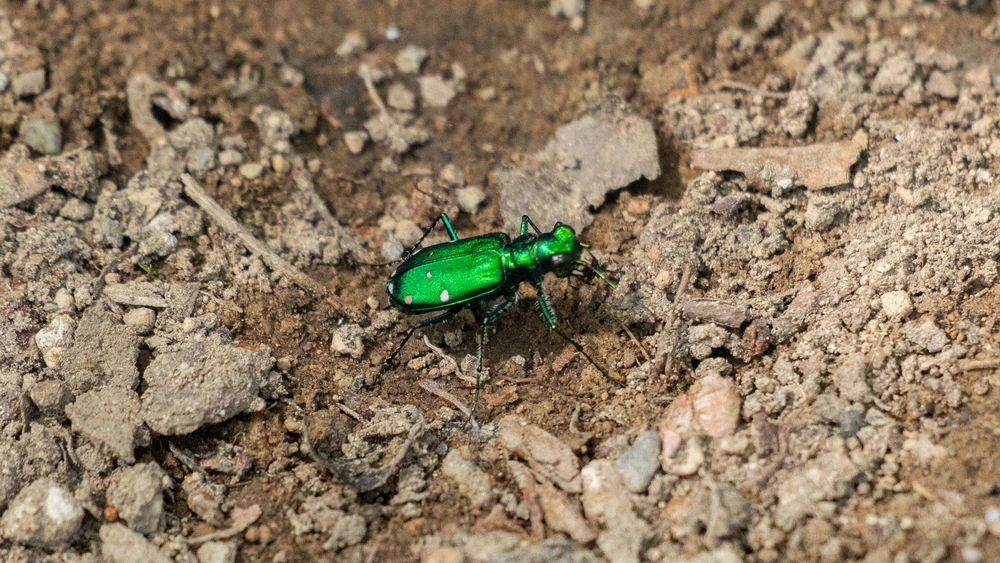
Six-spotted Tiger Beetle reference photograph

Six-spotted Tiger Beetle

Cicindela sexguttata

Adults are metallic green, sometimes blue, with long legs, large eyes and curved jaws.

More facts and sources
  • White spot count varies; individuals may show no spots or as many as eight, despite the common name.
  • Adults hunt actively, while larvae wait in burrows to ambush passing prey.

Research sources

Photo: Cicindela sexguttata · observation 392352572 · Rita Clare · CC BY

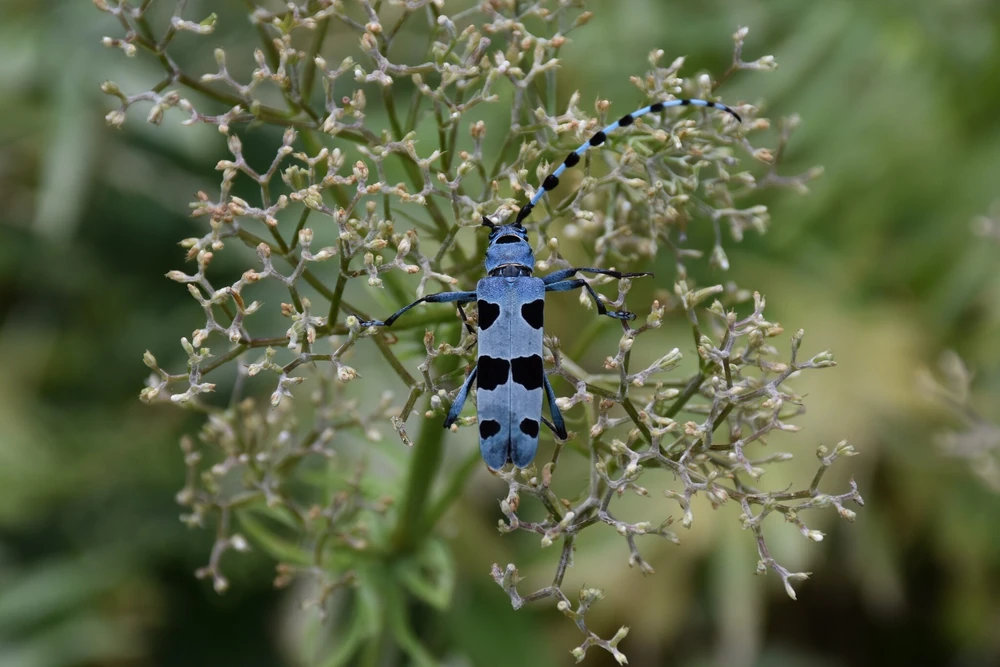
Alpine Longhorn Beetle reference photograph

Alpine Longhorn Beetle

Rosalia alpina

Adults have a pale blue, velvety appearance with dark wing-case markings that vary between individuals.

More facts and sources
  • The museum account associates the species with beech and sycamore maple dead wood.
  • Larval development may last up to four years, while adults live for only a few weeks.

Research sources

Photo: Rosalia alpina · observation 386593010 · Gabriele Pradelli · CC BY

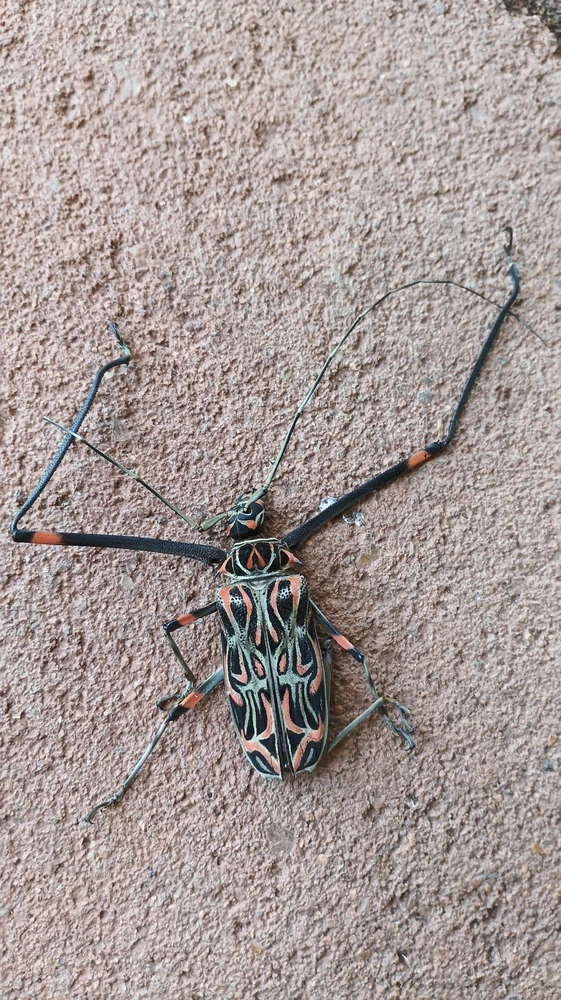
Harlequin Beetle reference photograph

Harlequin Beetle

Acrocinus longimanus

Field research in French Guiana and Panama documents greatly elongated male forelegs and their use in fighting and guarding females or egg-laying sites.

More facts and sources
  • Females select recently dead or dying trees in the Moraceae and Apocynaceae for egg laying.
  • Primary field and laboratory research documents pseudoscorpions deliberately boarding the beetles for transport under the wing covers.

Research sources

Photo: Acrocinus longimanus · observation 337441833 · Rafael Tosi · CC BY

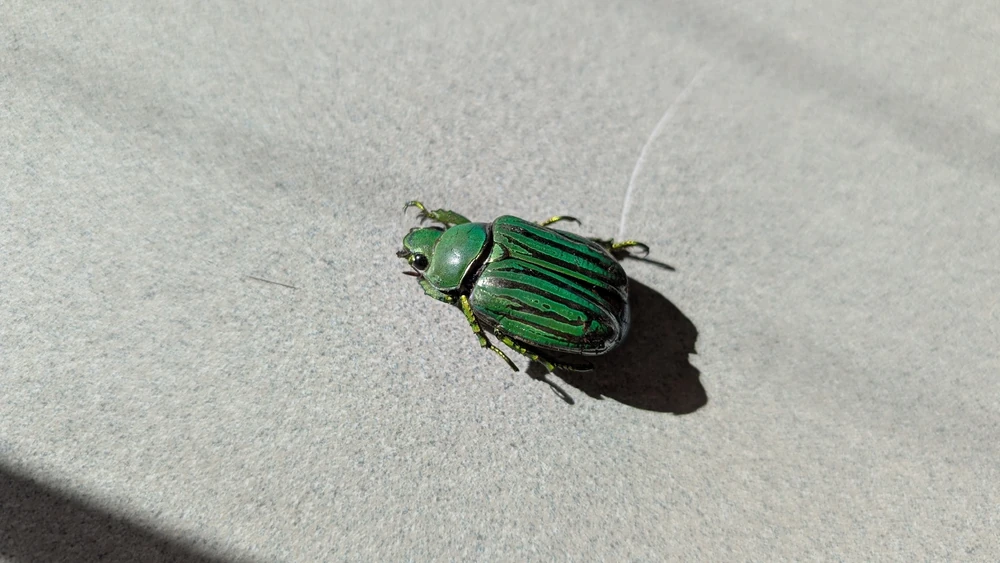
Glorious Scarab reference photograph

Glorious Scarab

Chrysina gloriosa

The CSU museum identifies this species with the southwestern United States and northern Mexico.

More facts and sources
  • Its dorsal pattern combines bright green with reflective silver stripes.
  • The museum account attributes the reflective coloration to light interacting with fine surface structures rather than conventional pigments alone.

Research sources

Photo: Chrysina gloriosa · observation 328857244 · L. Reid · CC BY

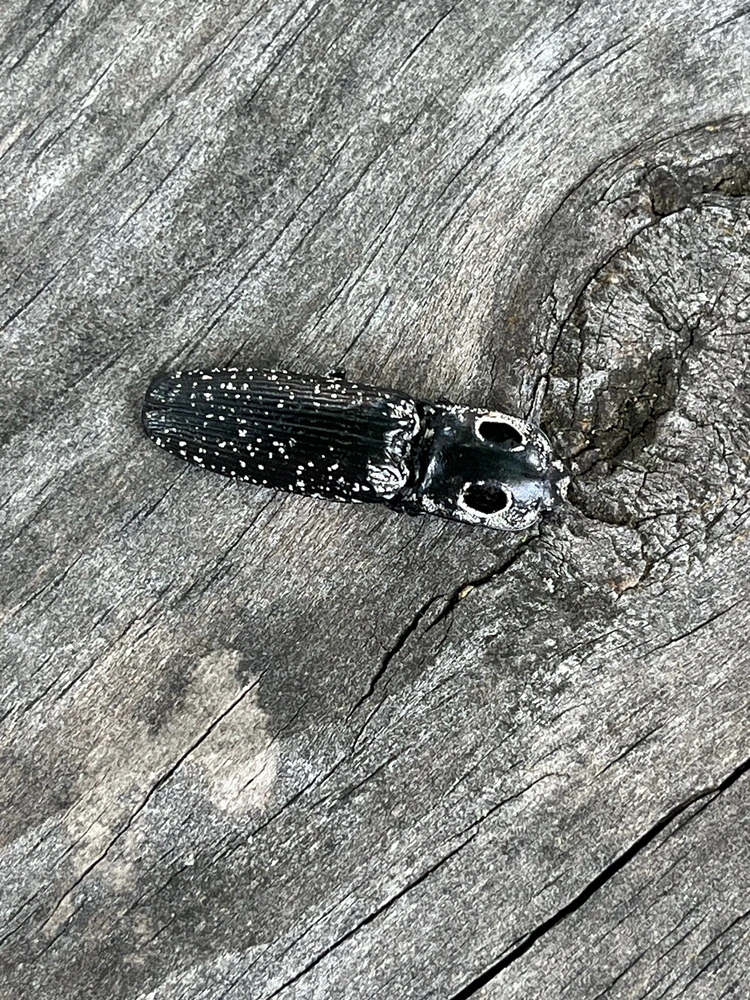
Eastern Eyed Click Beetle reference photograph

Eastern Eyed Click Beetle

Alaus oculatus

The large eye-like marks are on the thorax; the real eyes are small and located on the head near the antennae.

More facts and sources
  • Larvae prey on other beetle larvae inside decaying logs.
  • The adult's click mechanism can propel an overturned beetle into the air so that it can land upright.

Research sources

Photo: Alaus oculatus · observation 386986266 · orionid · CC0

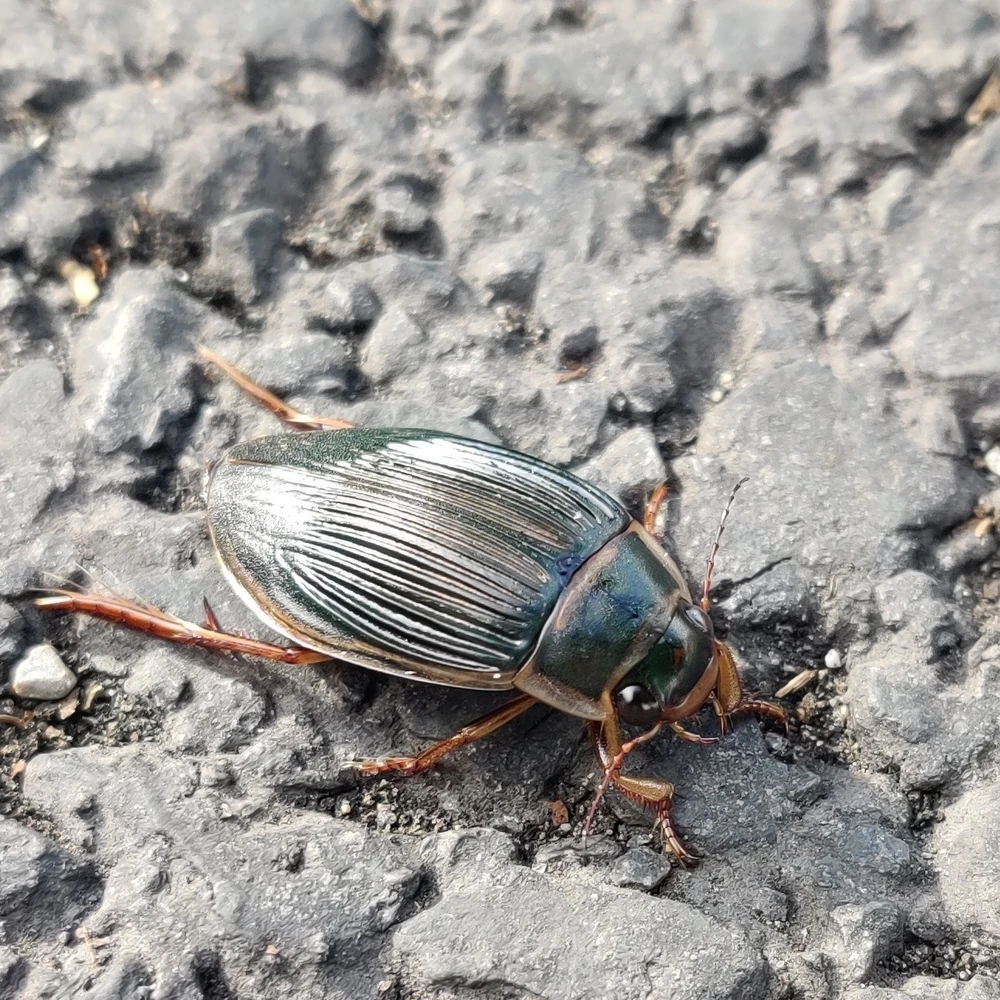
Great Diving Beetle reference photograph

Great Diving Beetle

Dytiscus marginalis

The Natural History Museum describes adults as about 3 cm long and among the UK's largest diving beetles.

More facts and sources
  • Adults swim in ponds and can also fly between water bodies.
  • Adults carry a reserve of air beneath the wing covers; both adults and larvae are predators.

Research sources

Photo: Dytiscus marginalis · observation 389765347 · Gregory Wheeler · CC0

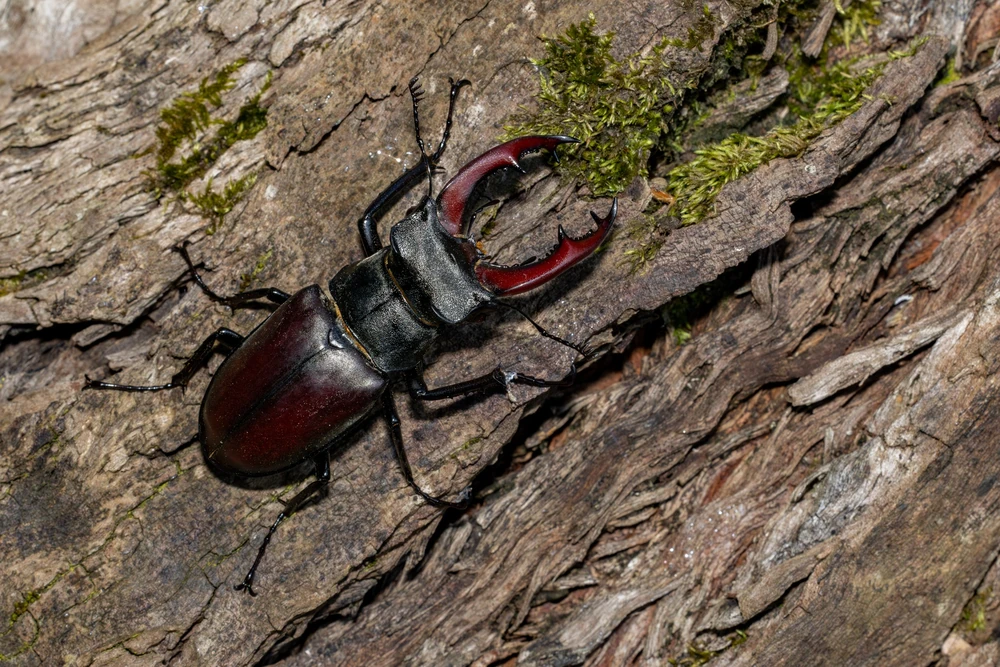
European Stag Beetle reference photograph

European Stag Beetle

Lucanus cervus

The male's antler-like structures are enlarged jaws used in contests with other males.

More facts and sources
  • Larvae spend years developing in decaying wood; the short adult stage centers on mating and egg laying.
  • The NHM gives adult lengths including jaws of 35–75 mm for males and 30–50 mm for females.

Research sources

Photo: Lucanus cervus · observation 377908216 · Diego González Dopico · CC BY

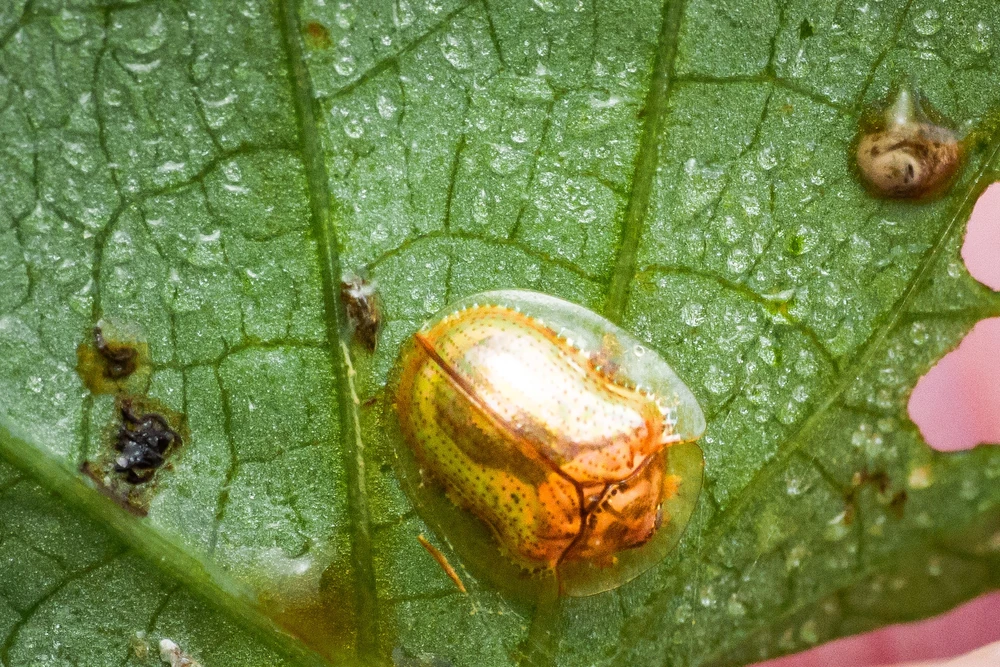
Golden Tortoise Beetle reference photograph

Golden Tortoise Beetle

Charidotella sexpunctata

Adults have a rounded domed body with broadly expanded margins resembling a small turtle shell.

More facts and sources
  • A living golden tortoise beetle can shift from metallic gold to orange or bronze tones, sometimes with dark spots; the gold color is lost after death.
  • University of Maine identifies the species on plants in the morning-glory family, Convolvulaceae.

Research sources

Photo: Charidotella sexpunctata · observation 401985071 · Heatherelle · CC BY

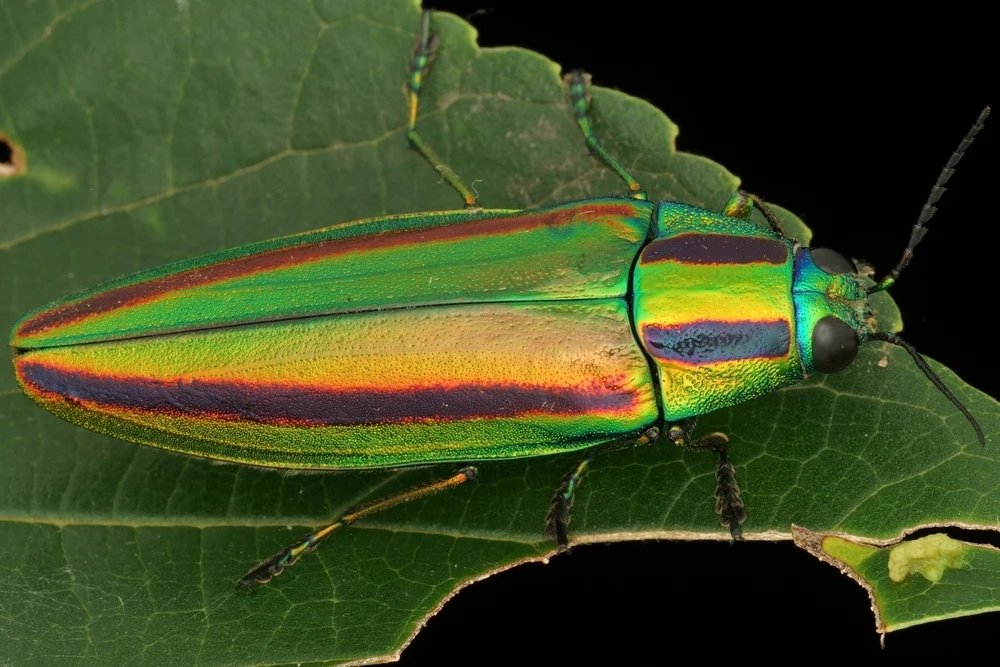
Japanese Jewel Beetle reference photograph

Japanese Jewel Beetle

Chrysochroa fulgidissima

Primary optical research describes metallic green wing cases with longitudinal purple stripes.

More facts and sources
  • Microscopy shows layered cuticle structures producing the reflected colors.
  • The reflected color changes with illumination angle and can become strongly polarized.

Research sources

Photo: Chrysochroa fulgidissima · observation 394573569 · Kōsuke Onoda · CC0

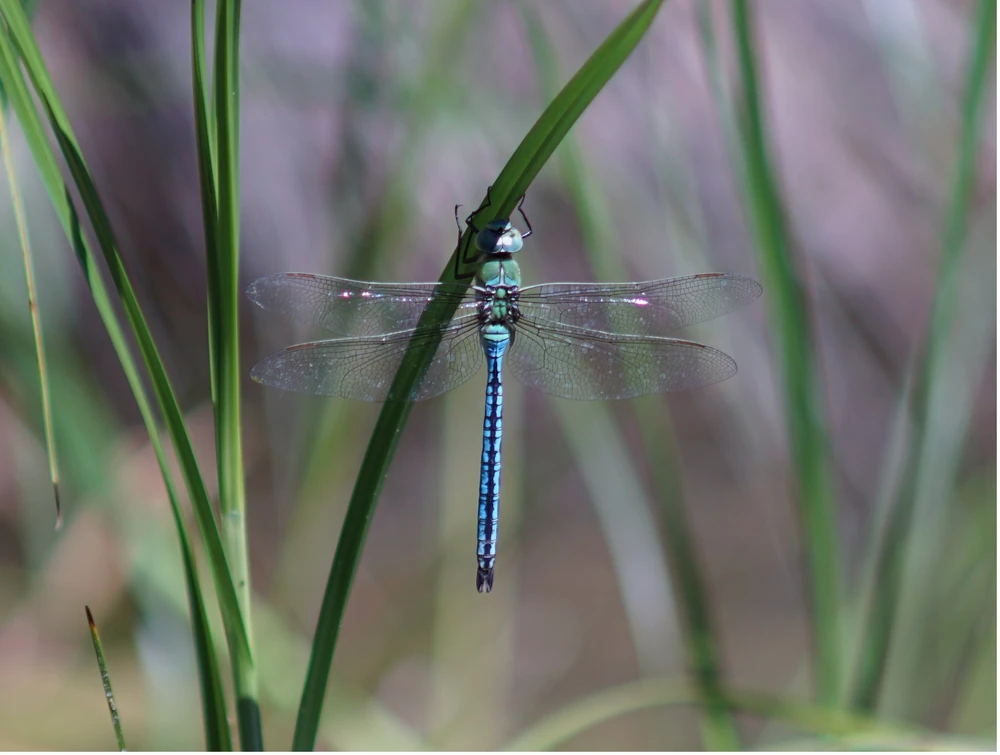
Emperor Dragonfly reference photograph

Emperor Dragonfly

Anax imperator

It favours still water, including ponds and reservoirs, and can also use watercourses with weak currents.

More facts and sources
  • Females place eggs in floating aquatic plants.
  • The Natural History Museum reports a wingspan of about 10.5 cm, the widest among UK dragonflies.

Research sources

Photo: Anax imperator · observation 185957500 · odole · CC BY

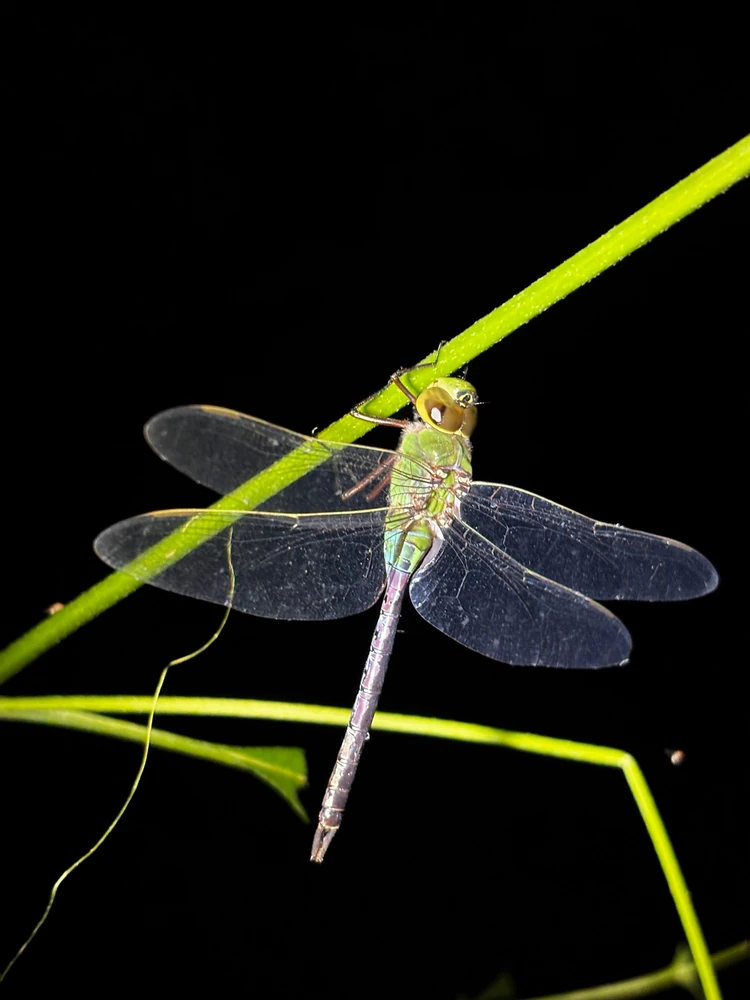
Common Green Darner reference photograph

Common Green Darner

Anax junius

Adults catch flying insects, while their aquatic juveniles feed on small aquatic animals.

More facts and sources
  • The annual migratory cycle involves at least three generations; one individual does not complete the entire round trip.
  • Some Minnesota green darners remain locally and spend winter as aquatic juveniles rather than migrating.

Research sources

Photo: Anax junius · observation 398341679 · Chris Stahl · CC BY

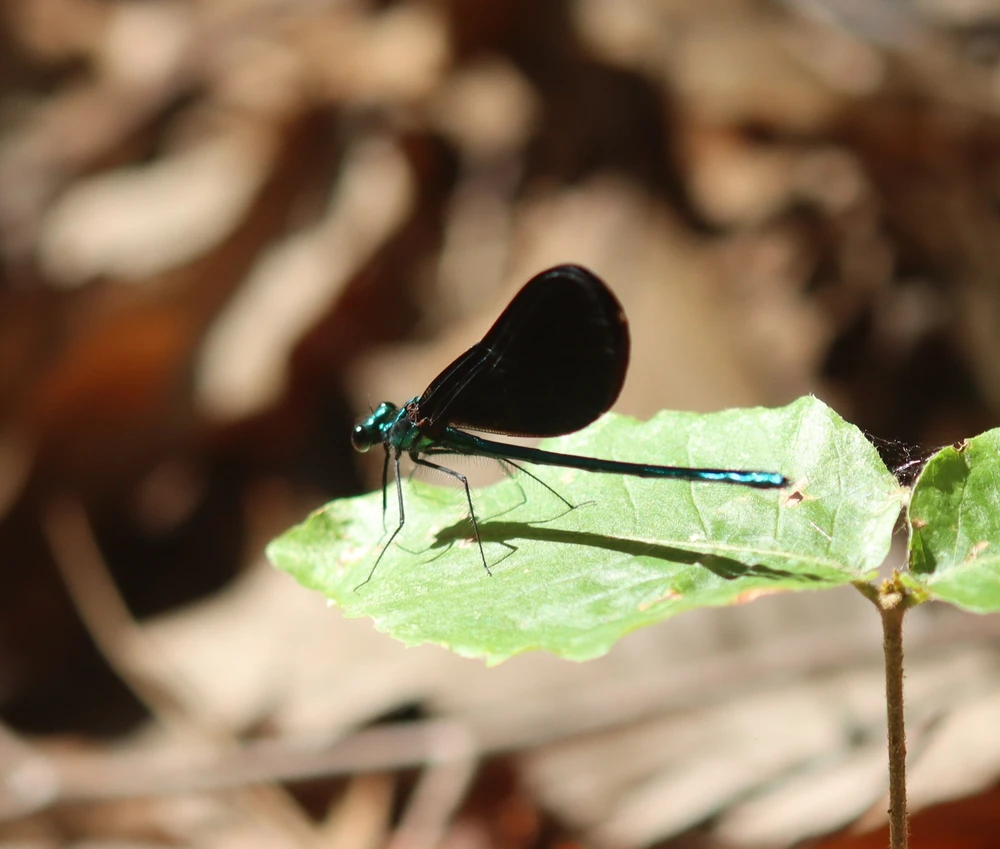
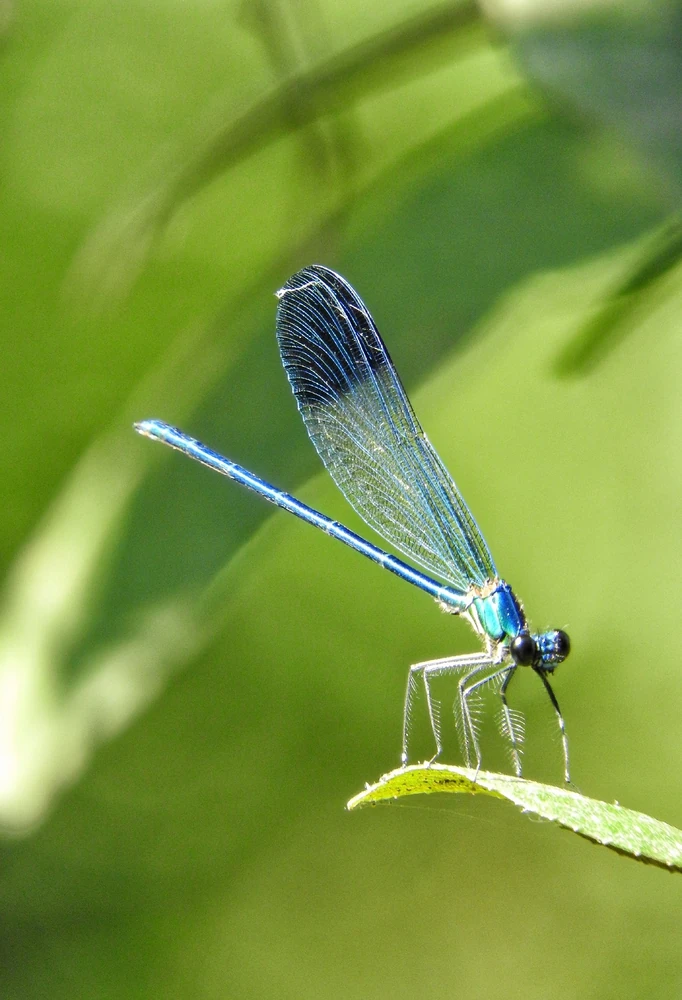
Banded Demoiselle reference photograph

Banded Demoiselle

Calopteryx splendens

It breeds mainly along slow-flowing rivers with vegetation and muddy or silty beds.

More facts and sources
  • Males court females with an aerial display and guard them as they insert eggs into aquatic plants.
  • Larvae live among submerged plants and debris, usually developing for about two years in the source region.

Research sources

Photo: Calopteryx splendens · observation 400528426 · Emad Tahaei · CC BY

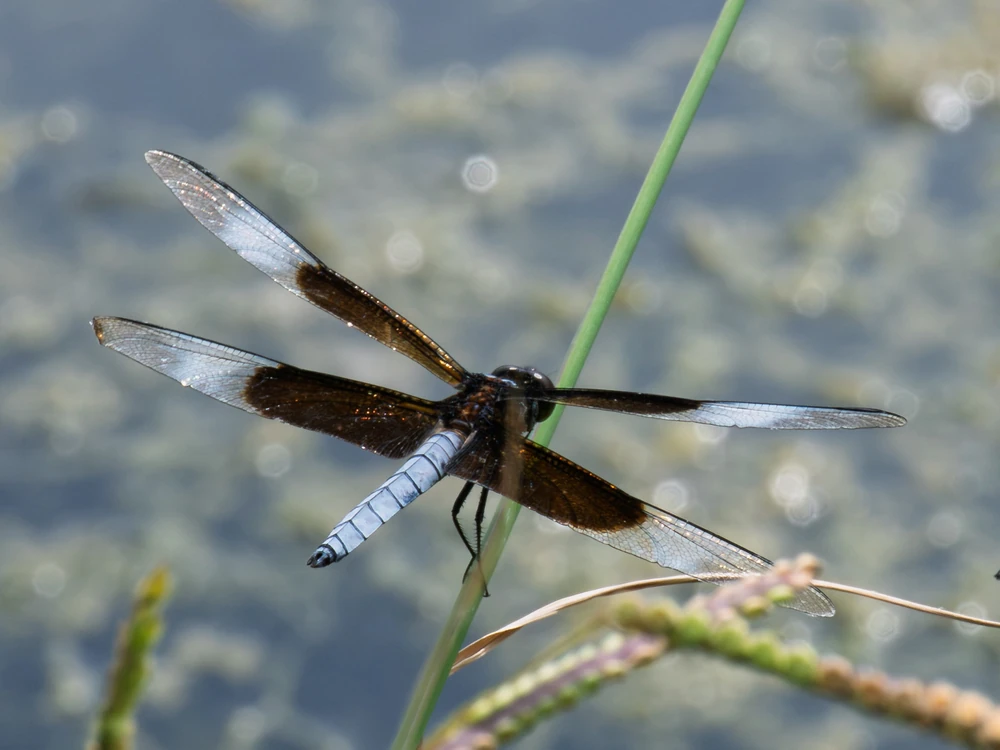
Widow Skimmer reference photograph

Widow Skimmer

Libellula luctuosa

Males defend waterside territories; several males can occupy a shared area dominated by one male.

More facts and sources
  • Females release eggs onto open water or tap the water with the abdomen to drop them.
  • Adults capture airborne insects; aquatic juveniles eat insects and other small animals.

Research sources

Photo: Libellula luctuosa · observation 404315666 · cesar stastny · CC BY

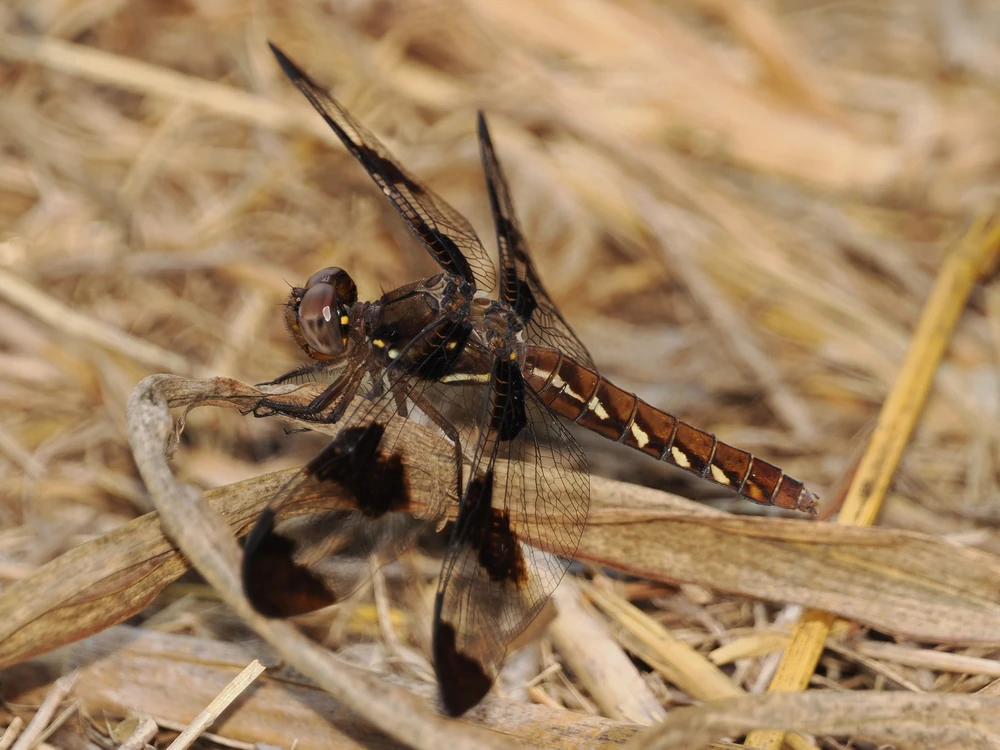
Common Whitetail reference photograph

Common Whitetail

Plathemis lydia

Adults often perch low on bare ground, rocks or logs and dart out to catch passing insects.

More facts and sources
  • Males defend waterside territories and guard females while they lay eggs by tapping the water.
  • It uses ponds, lakes and slow streams, and its aquatic juveniles tolerate muddy bottoms.

Research sources

Photo: Plathemis lydia · observation 404040924 · Joseph Aubert · CC BY

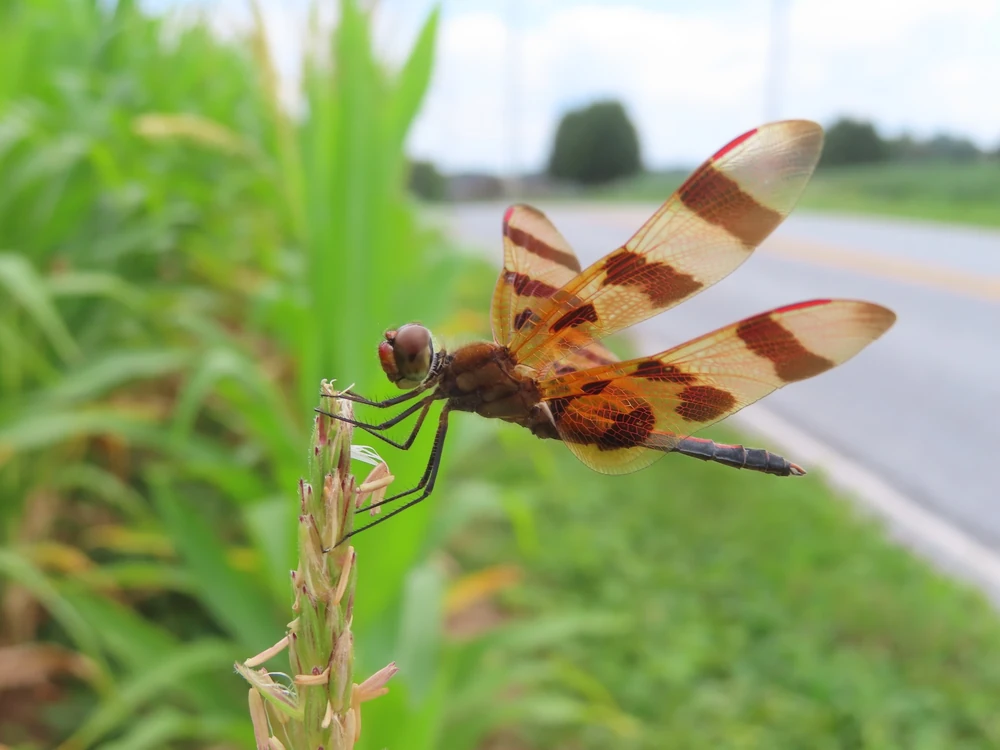
Halloween Pennant reference photograph

Halloween Pennant

Celithemis eponina

Aquatic juveniles live among submerged vegetation in lakes and wetlands.

More facts and sources
  • The Illinois account describes most mating activity as occurring in the morning.
  • Adults can perch in weedy vegetation well away from the edge of a pond or river.

Research sources

Photo: Celithemis eponina · observation 386436925 · Ken Clark · CC BY

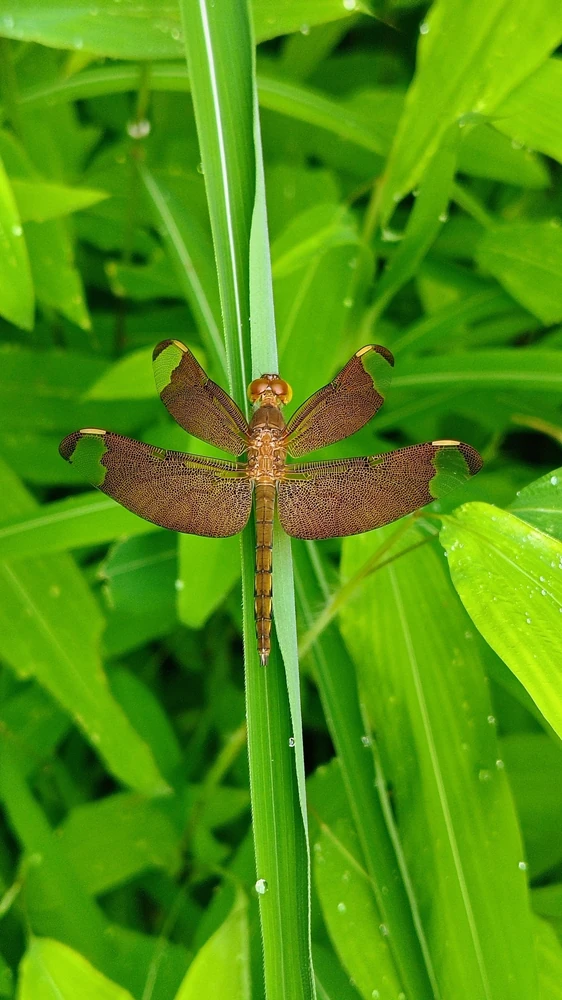
Fulvous Forest Skimmer reference photograph

Fulvous Forest Skimmer

Neurothemis fulvia

It is associated with wet forests and commonly perches on fallen logs or shrubs.

More facts and sources
  • It breeds in marshes connected with forest streams and rivers.
  • Female wings can show male-like reddish patterning or amber-yellow coloration, with intermediate forms also occurring.

Research sources

Photo: Neurothemis fulvia · observation 401811242 · Aadi Kulkarni · CC BY

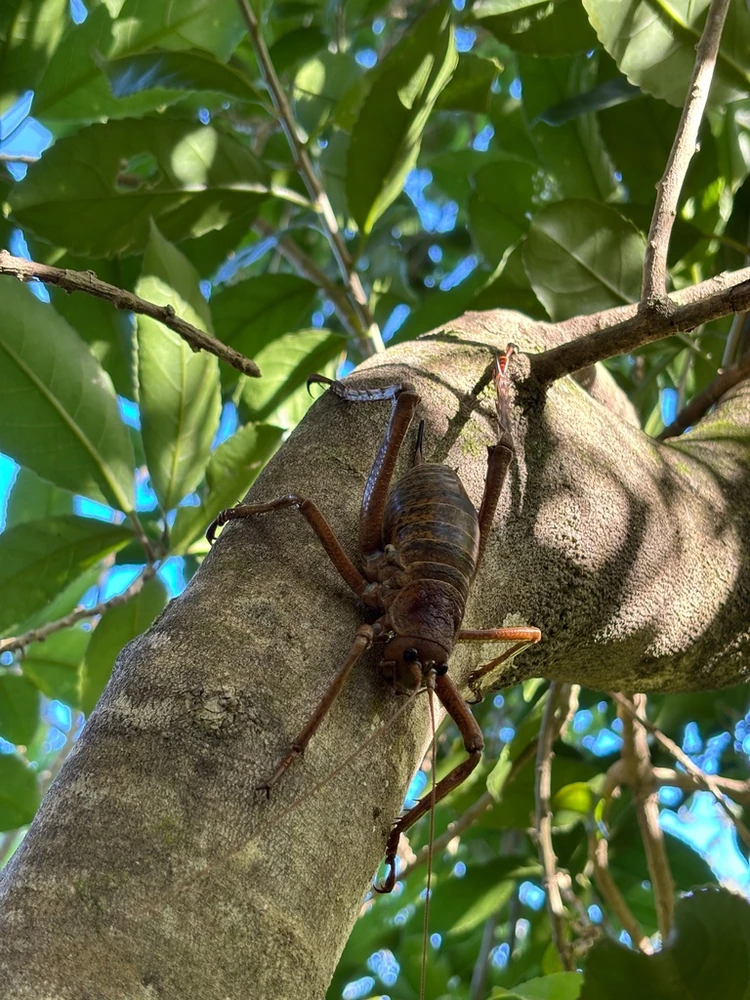
Little Barrier Island Giant Weta reference photograph

Little Barrier Island Giant Weta

Deinacrida heteracantha

It hides in dead foliage by day and moves about in trees or on the ground at night.

More facts and sources
  • It eats fresh leaves of native trees, including karaka, māhoe and kohekohe.
  • Development to adulthood takes roughly 14–24 months; females deposit eggs in soft soil.

Research sources

Photo: Deinacrida heteracantha · observation 345429007 · Emma Naylor · CC BY
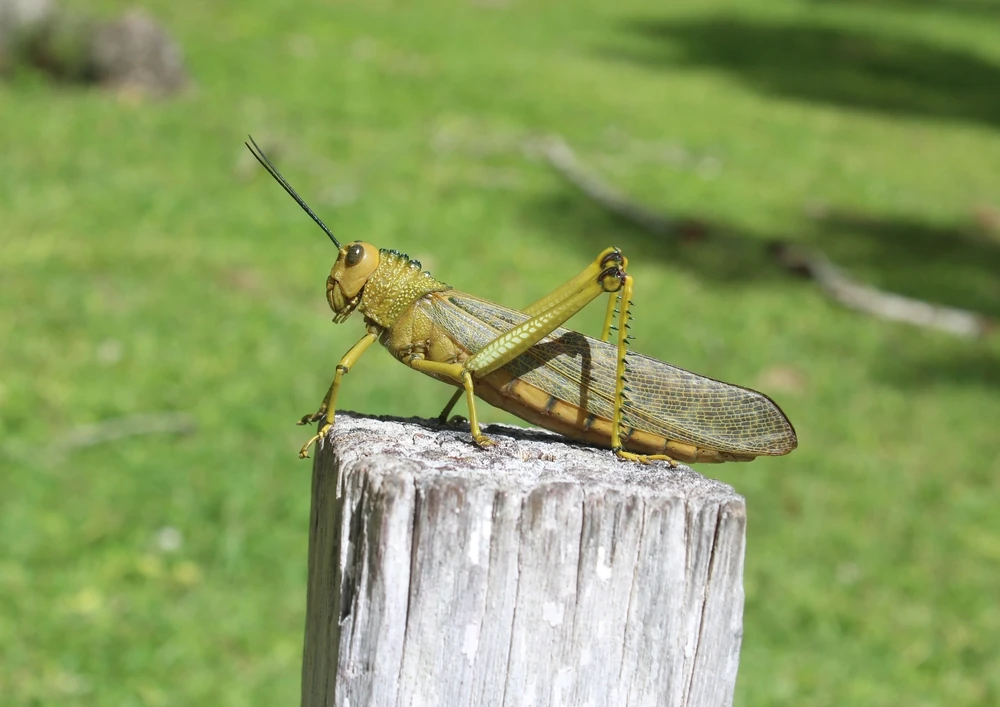
Giant Grasshopper reference photograph

Giant Grasshopper

Tropidacris cristata

Nymphs show conspicuous black-and-yellow warning colours.

More facts and sources
  • Young individuals are often grouped together, whereas adults rely on camouflage among plants.
  • Adult forewings resemble leaves and cover strikingly coloured hind wings.

Research sources

Photo: Tropidacris cristata · observation 187789380 · Ricard Busquets Reverte · CC BY
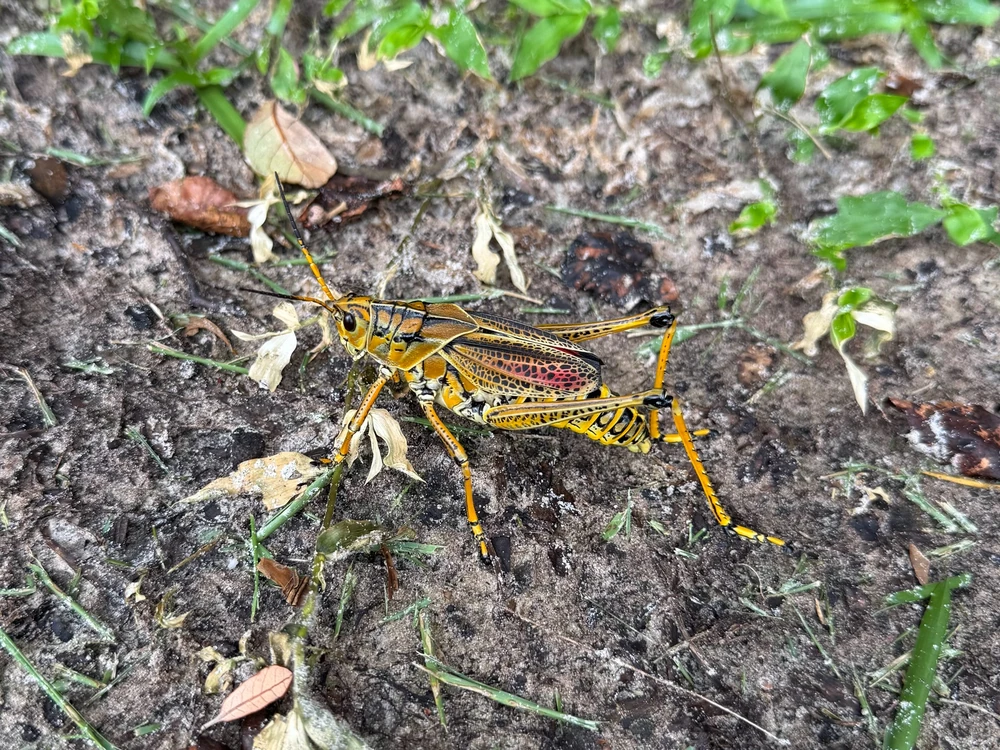
Eastern Lubber Grasshopper reference photograph

Eastern Lubber Grasshopper

Romalea microptera

Its reduced hind wings cannot lift it into flight, and it travels mainly by walking and climbing.

More facts and sources
  • When threatened, it can spread its wings, hiss and discharge foul-smelling defensive froth from breathing openings.
  • It has one generation a year and passes winter in the egg stage.

Research sources

Photo: Romalea microptera · observation 388012875 · Karen Guin · CC BY
Pictured Grasshopper reference photograph

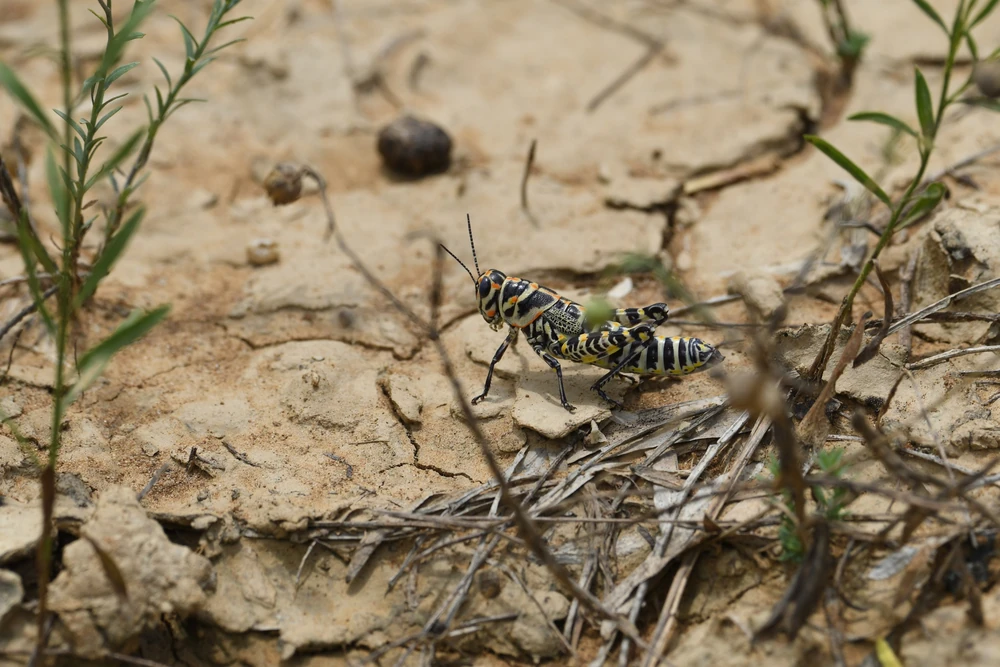
Pictured Grasshopper

Dactylotum bicolor

The University of Wyoming account places it in sparse, low vegetation.

More facts and sources
  • It feeds on broadleaf plants such as false boneset, scarlet globemallow, prairie clover and scurfpea.
  • The University of Wyoming Colorado account reports egg pods containing about 15–25 eggs.

Research sources

Photo: Dactylotum bicolor · observation 378520470 · squalicorax · CC0

European Mole Cricket reference photograph

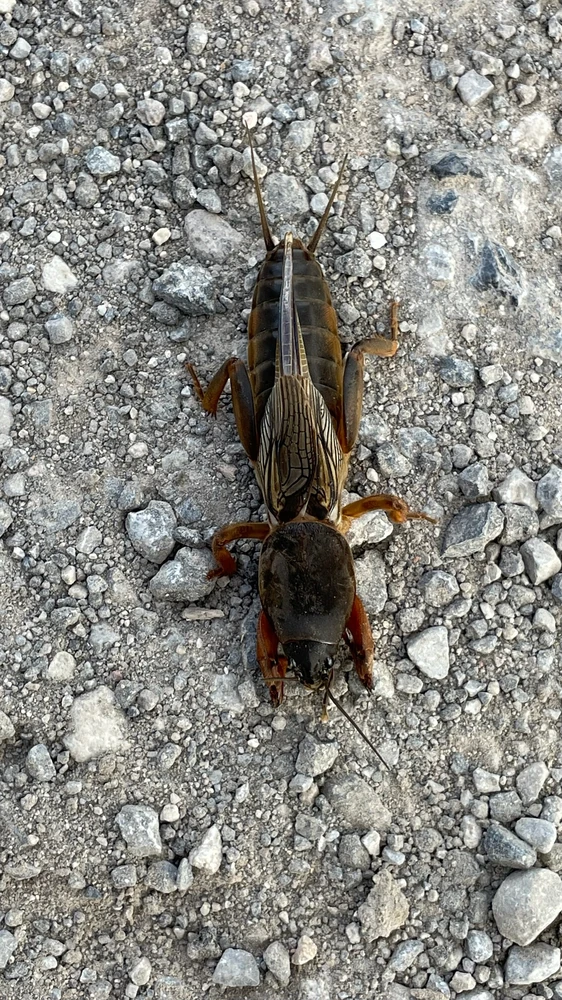
European Mole Cricket

Gryllotalpa gryllotalpa

It spends most of its life below ground in tunnels used for feeding, shelter, mating and raising young.

More facts and sources
  • Males sing from a burrow opening shaped like a horn, which helps project the mating call.
  • A female lays eggs in an underground chamber and guards the young for about two to three weeks after hatching.

Research sources

Photo: Gryllotalpa gryllotalpa · observation 368979250 · Roger svk · CC BY
Eastern Dobsonfly reference photograph

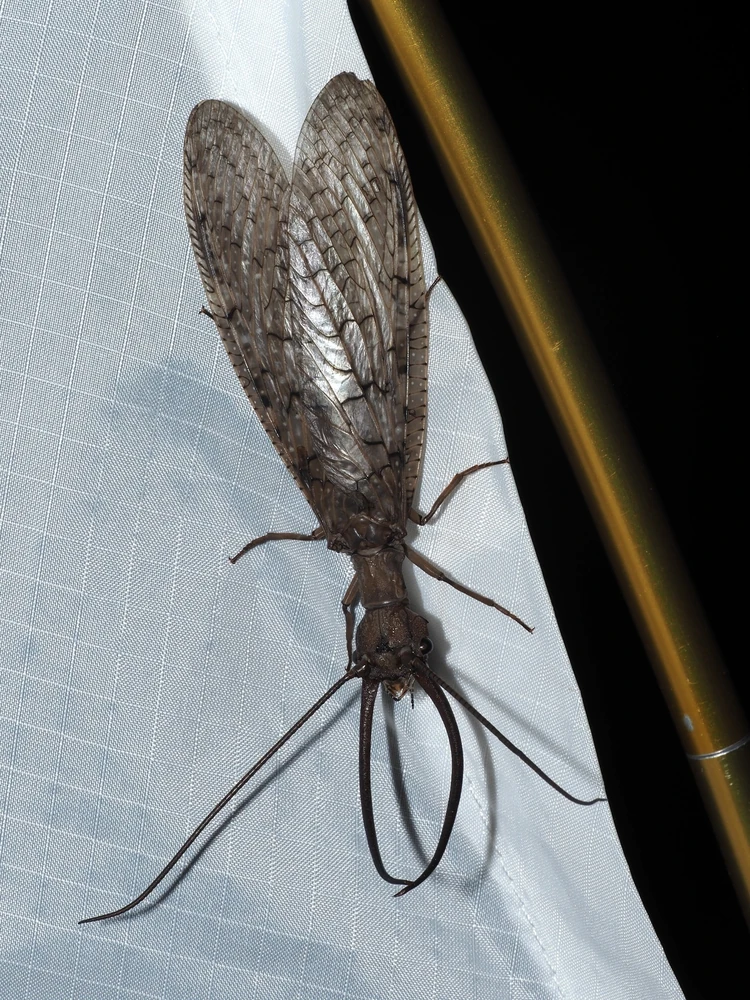
Eastern Dobsonfly

Corydalus cornutus

Aquatic larvae shelter beneath stones or debris in flowing streams and prey on other small aquatic insects.

More facts and sources
  • Larval development commonly takes one to three years before they leave the water to pupate.
  • Pupation takes place in a moist terrestrial soil chamber beneath a rock, log or other cover.

Research sources

Photo: Corydalus cornutus · observation 394002201 · Jeff Clark · CC BY
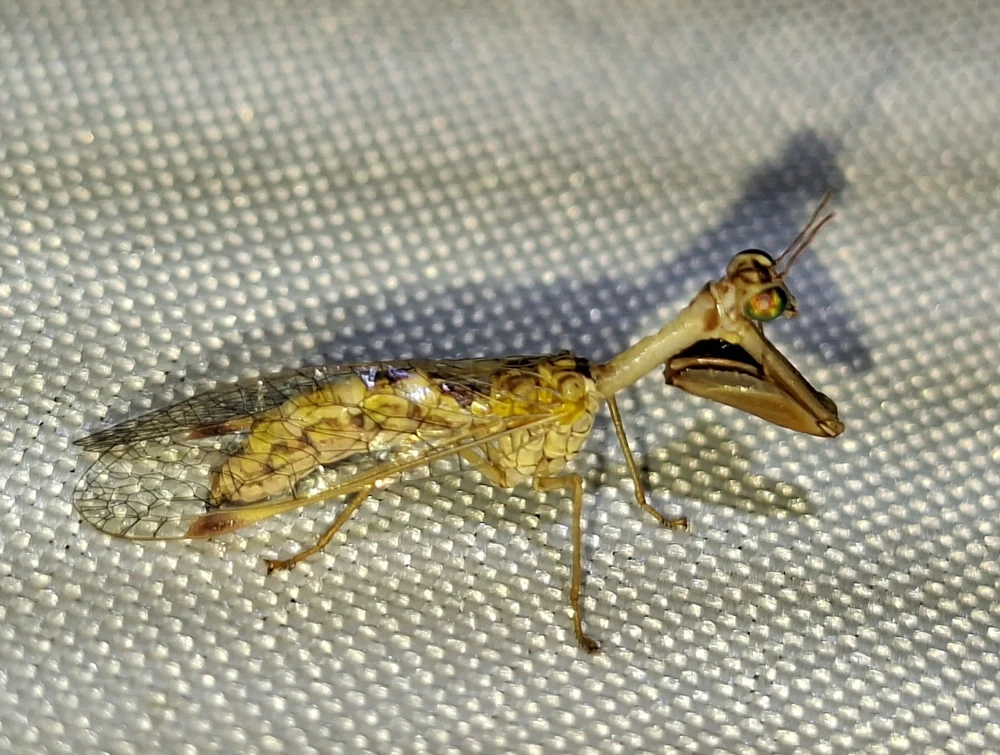
Styrian Praying Lacewing reference photograph

Styrian Praying Lacewing

Mantispa styriaca

Larvae develop by feeding within spider egg sacs, including those of wolf spiders.

More facts and sources
  • It spends winter as a first-stage larva.
  • Adults perch on bushes or trees and catch small invertebrates with their grasping front legs.

Research sources

Photo: Mantispa styriaca · observation 385408273 · Martiño Cabana Otero · CC BY
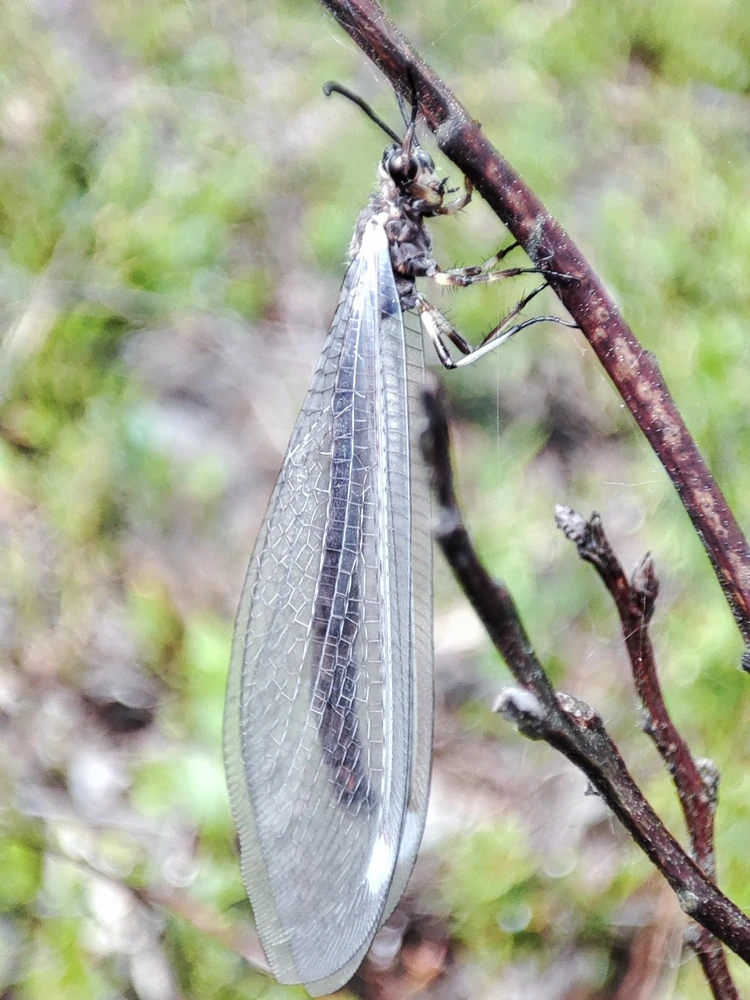
European Antlion reference photograph

European Antlion

Myrmeleon formicarius

Larvae construct sand pits; a field study examined their substrate choices in Turkey's Amanos Mountains.

More facts and sources
  • An experimental study observed larvae throwing sand toward ant prey attempting to escape their pits.
  • The Malmö School Museum identifies its teaching specimen as an adult with clear wings and a dark body.

Research sources

Photo: Myrmeleon formicarius · observation 369633712 · K.P. · CC BY
Enjoying the field guide?

Get an email when a new collection is ready to print.