Lines & Matter

Lines & Matter · Field guide

Frogs & Toads

Forty species to study, compare and color. Each profile is linked to approved research and a credited wildlife photograph.

For learning and art, not wildlife identification or handling advice. Illustrations in the matching printables were generated in a colored-pencil style.

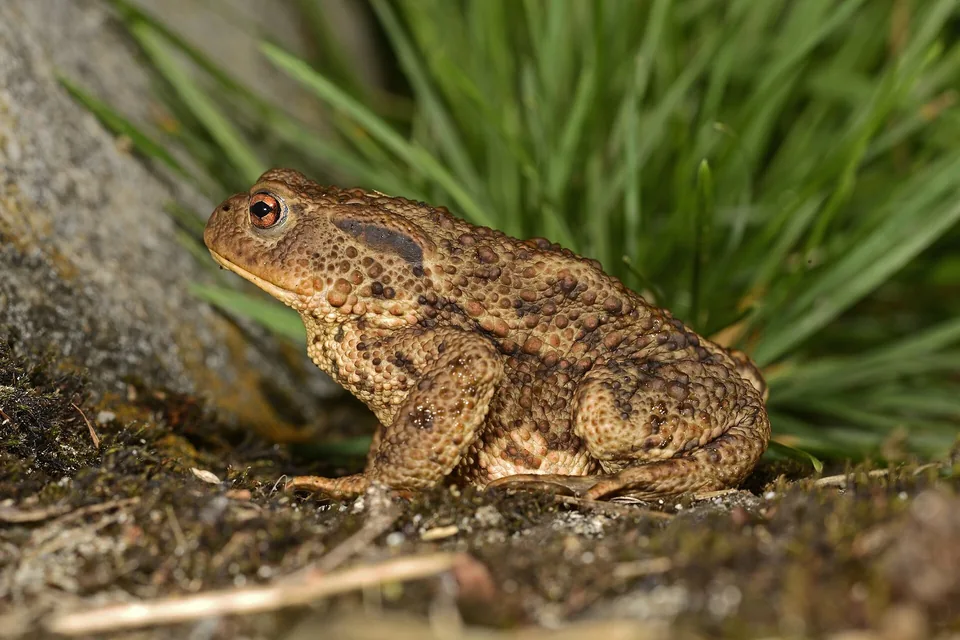
Reference photograph of European Toad
Reference photograph by Fentriss · source · CC0. Display-sized derivative.

Study collection 01

European Toad

Bufo bufo

Range Most of Europe, western North Asia and parts of northwestern Africa; introduced in parts of Ireland.

Habitat Forests, wet woodland, open countryside, fields, copses, parks and gardens; sometimes in dry areas far from standing water.

Diet Invertebrates and, occasionally, small mice.

A common toad can return to the pond where it was spawned. More than 80% of marked males in one study returned to their original breeding pond, using smell, magnetic cues and visual information to navigate.

Research sources: English Wikipedia ↗

Explore matching products ↗
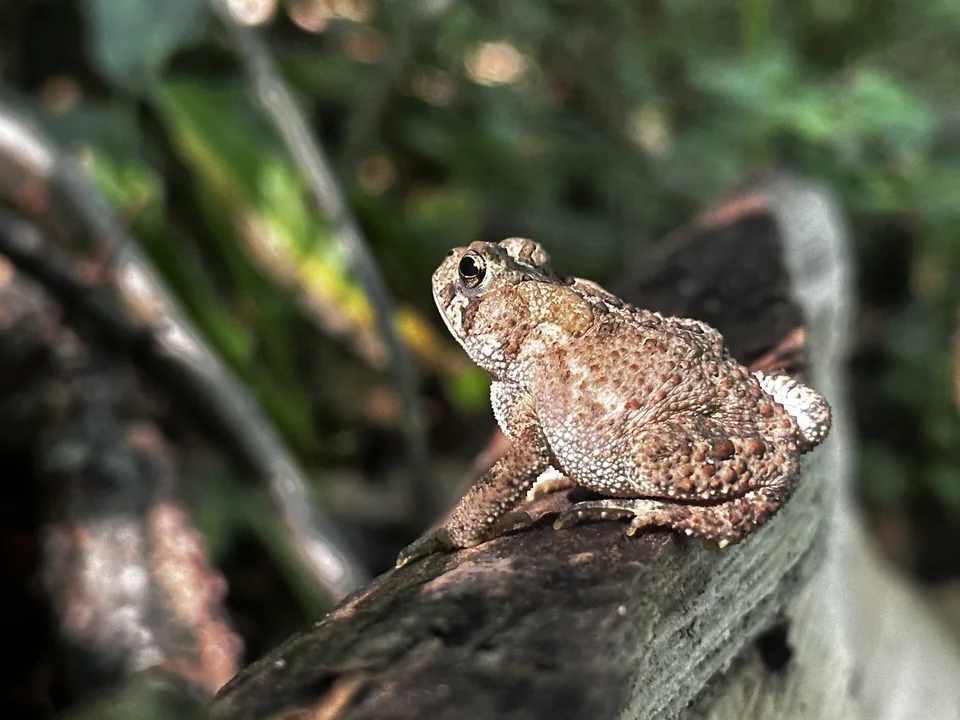
Reference photograph of American Toad
Reference photograph by gwtstl · source · CC BY 4.0. Display-sized derivative.

Study collection 01

American Toad

Anaxyrus americanus

Range Found throughout the eastern half of Canada and the United States.

Habitat Forests, flat grassland and other areas with dense vegetation and access to shallow freshwater ponds or pools.

Diet Small invertebrates, including crickets, mealworms, earthworms, ants, spiders, slugs, centipedes and moths.

A breeding male’s call is a high trill lasting 6–30 seconds, with a sound often compared to a ringing telephone.

Research sources: English Wikipedia ↗

Explore matching products ↗
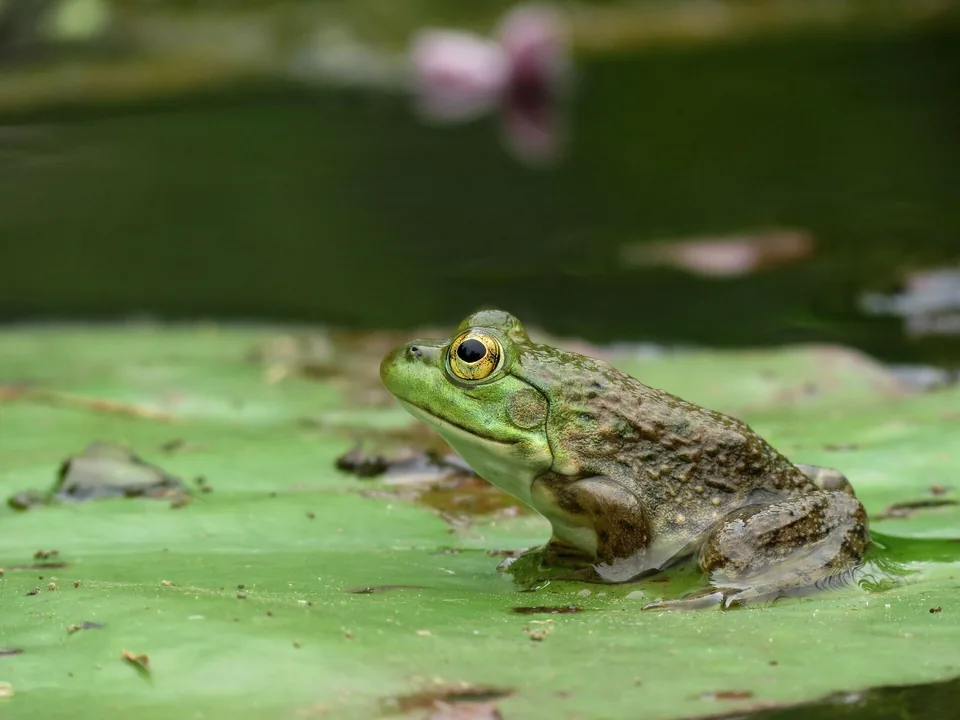
Reference photograph of American Bullfrog
Reference photograph by Katja Schulz from Washington, D. C., USA · source · CC BY 2.0. Display-sized derivative.

Study collection 01

American Bullfrog

Lithobates catesbeianus

Range Native to eastern North America; introduced populations occur in the western United States, the Caribbean, South America, Europe and parts of Asia.

Habitat Usually lives in large, permanent water bodies, including both natural and manmade habitats.

Diet A generalist carnivore and ambush predator that eats almost any small animal it can overpower, including aquatic prey.

A male’s deep breeding call gives this frog its common name: it sounds somewhat like a bull bellowing. Males may gather in changing groups called choruses, where they call and compete for territories and mates.

Research sources: English Wikipedia ↗

Explore matching products ↗
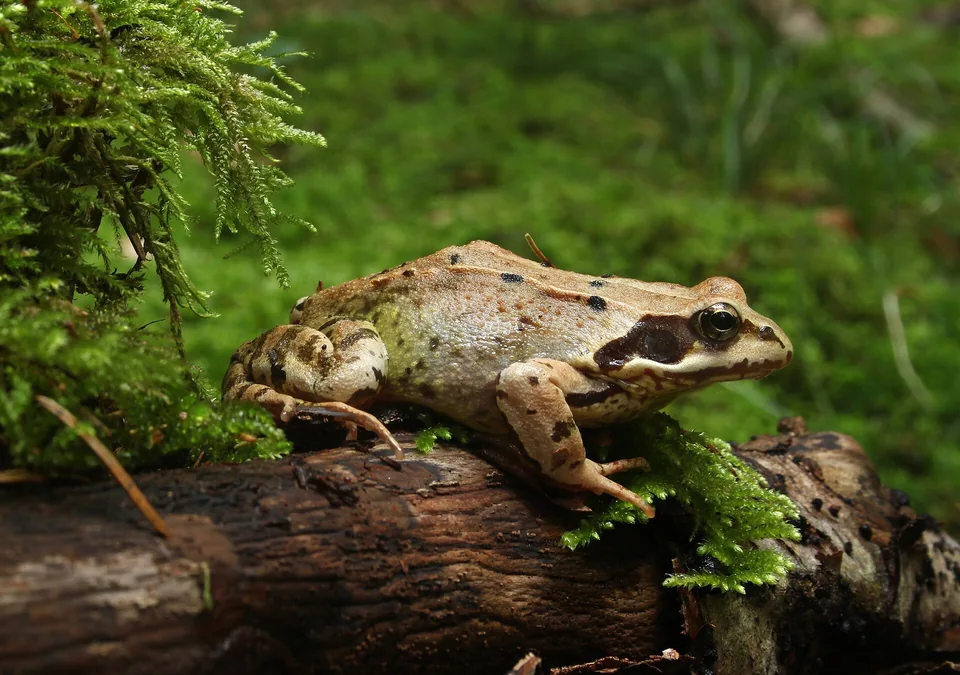
Reference photograph of European Common Frog
Reference photograph by Holger Krisp · source · CC BY 3.0. Display-sized derivative.

Study collection 01

European Common Frog

Rana temporaria

Range Found throughout much of Europe and in Asia eastward to Japan; absent from most of the Iberian Peninsula, southern Italy and the southern Balkans.

Habitat Outside the breeding season, it uses damp wetland niches near ponds or marshes, and areas of long riparian grass. It breeds in shallow, still, fresh water such as ponds.

Diet Adults are opportunistic feeders that wait for accessible prey, including insects, arachnids, woodlice, slugs, snails and earthworms. Tadpoles mainly eat algae and decomposed plants, becoming carnivorous as their hind legs develop.

A common frog passes through three distinct stages: an aquatic larva, a terrestrial juvenile and an adult. During metamorphosis, it briefly stops eating while its body changes from tadpole to frog.

Research sources: English Wikipedia ↗

Explore matching products ↗
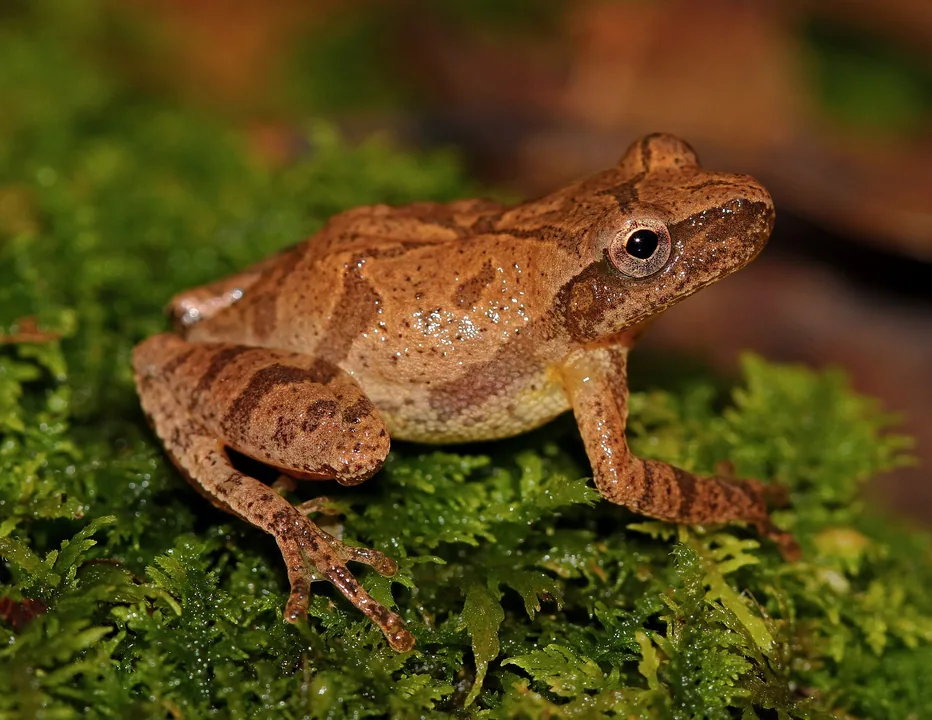
Reference photograph of Spring Peeper
Reference photograph by Peter Paplanus · source · CC BY 2.0. Display-sized derivative.

Study collection 01

Spring Peeper

Pseudacris crucifer

Range Native to the eastern United States and eastern Canada, with southern populations along the Gulf Coast from southeastern Texas to northern Florida and southern Georgia.

Habitat Forests and regenerating woodlands near temporary, semipermanent, or permanent wetlands; also marshes, swamps, farm ponds, borrow pits, and other disturbed wet habitats.

Diet Tadpoles filter organic and inorganic particles and feed on algae and other aquatic organisms. Adults eat small invertebrates, including beetles, ants, flies, and spiders.

A dark cross-like marking on the back gives this frog its species name, crucifer, meaning “cross-bearing.” The mark can be faint, but it is a useful feature to look for.

Research sources: English Wikipedia ↗

Explore matching products ↗
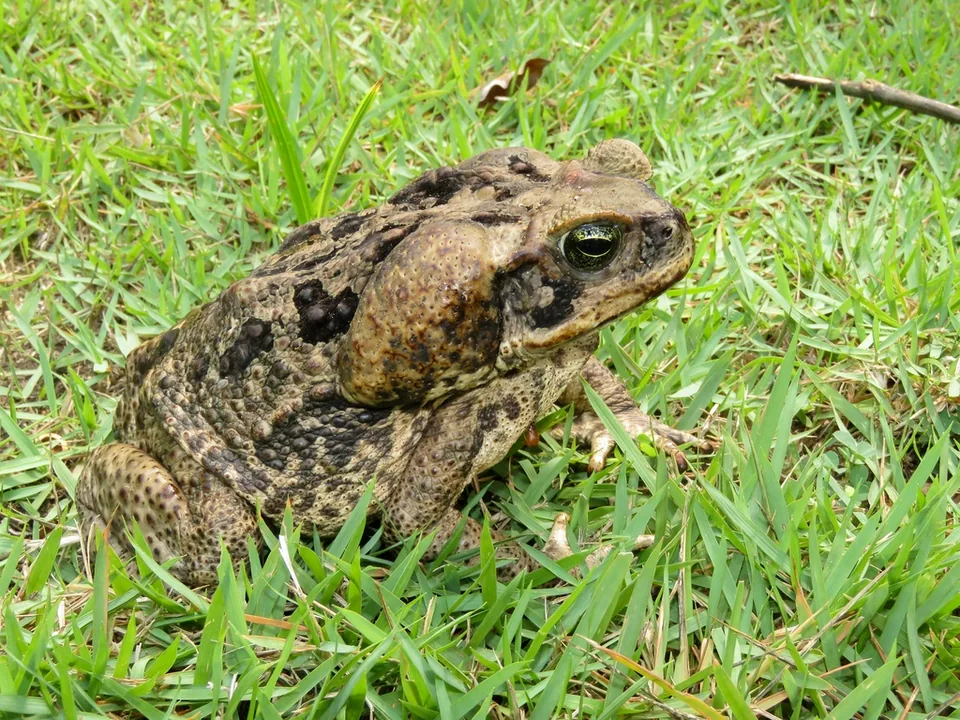
Reference photograph of Cane Toad
Reference photograph by Diogo Luiz · source · CC BY. Display-sized derivative.

Study collection 01

Cane Toad

Rhinella marina

Range Native from South and mainland Central America through northern South America; introduced widely in the Caribbean, Oceania, Northern Australia and other regions.

Habitat Open grassland and woodland, subtropical forest, and human-modified places such as gardens and drainage ditches.

Diet An opportunistic omnivore that eats both dead and living matter, including small vertebrates, invertebrates, plants, pet food, feces and household refuse.

A female can release 8,000–25,000 eggs at once. The jelly strings may stretch up to 20 m through the water before the eggs hatch.

Research sources: English Wikipedia ↗

Explore matching products ↗
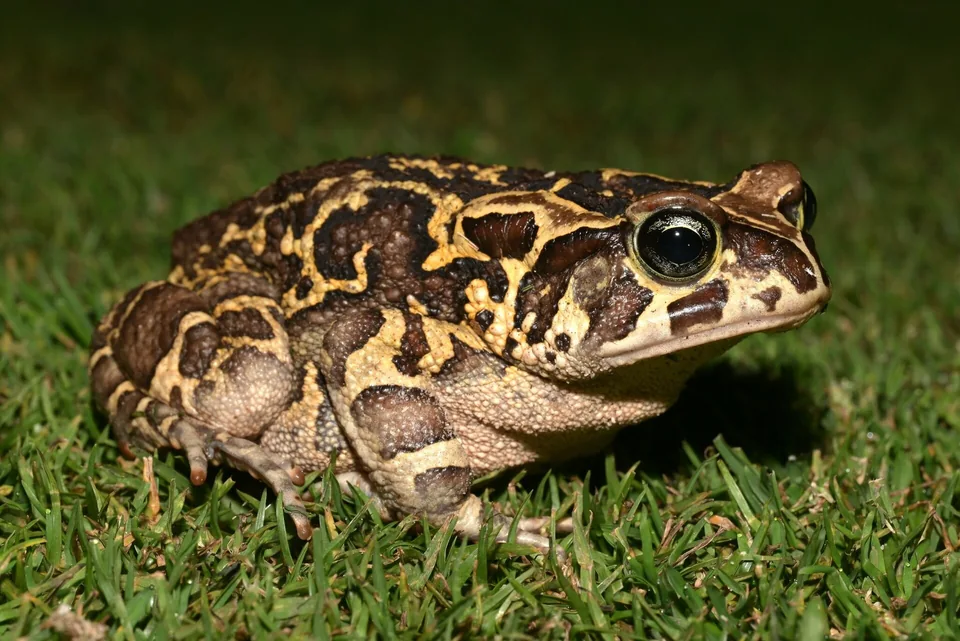
Reference photograph of Western Leopard Toad
Reference photograph by Marius Burger · source · CC0. Display-sized derivative.

Study collection 01

Western Leopard Toad

Sclerophrys pantherina

Range Endemic to low-lying areas of the Cape Peninsula, Cape Flats and Agulhas flats in the Western Cape, South Africa.

Habitat Forages in Mediterranean-type shrubby vegetation and breeds in wetlands, temporary ponds, marshes, lakes, dams, sluggish shallow water and garden ponds.

Diet Reported to consume snails.

Its call has been described as a slow snore, heard from beneath vegetation at the water's edge or from a frog submerged in deep water.

Research sources: English Wikipedia ↗

Explore matching products ↗
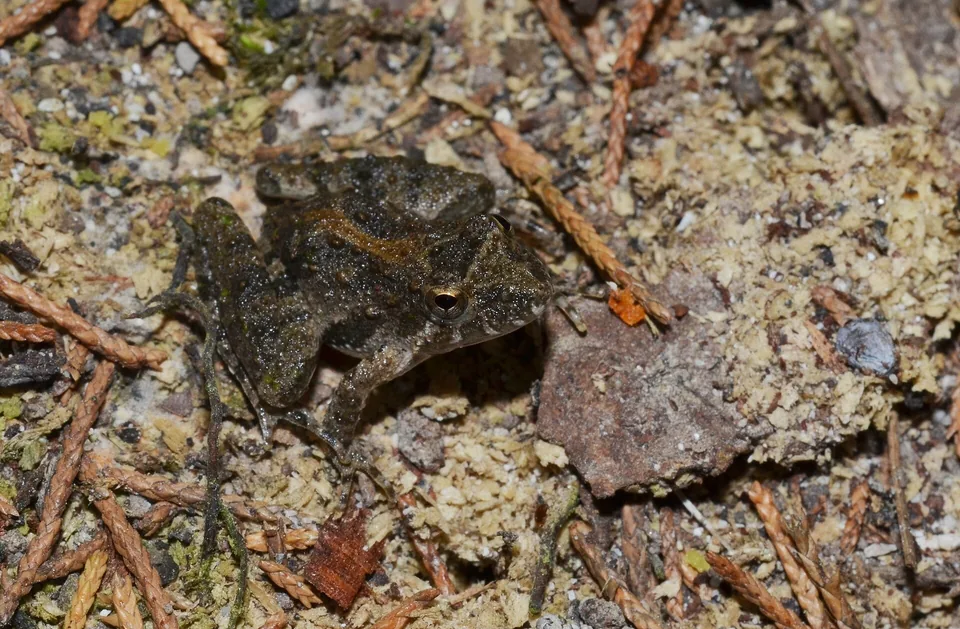
Reference photograph of Blanchard's Cricket Frog
Reference photograph by Wildreturn · source · CC BY 2.0. Display-sized derivative.

Study collection 01

Blanchard's Cricket Frog

Acris blanchardi

Range From northeastern Mexico to South Dakota; east to Ohio and West Virginia

Habitat Slow-moving or stagnant water, including streams, wetlands and ponds; also found near row-crop agriculture

Diet Adults eat small terrestrial insects and spiders.

A dark triangular mark between the eyes is frequently visible and can help identify this small frog in the field.

Research sources: English Wikipedia ↗ · Authoritative factual reference ↗

Explore matching products ↗
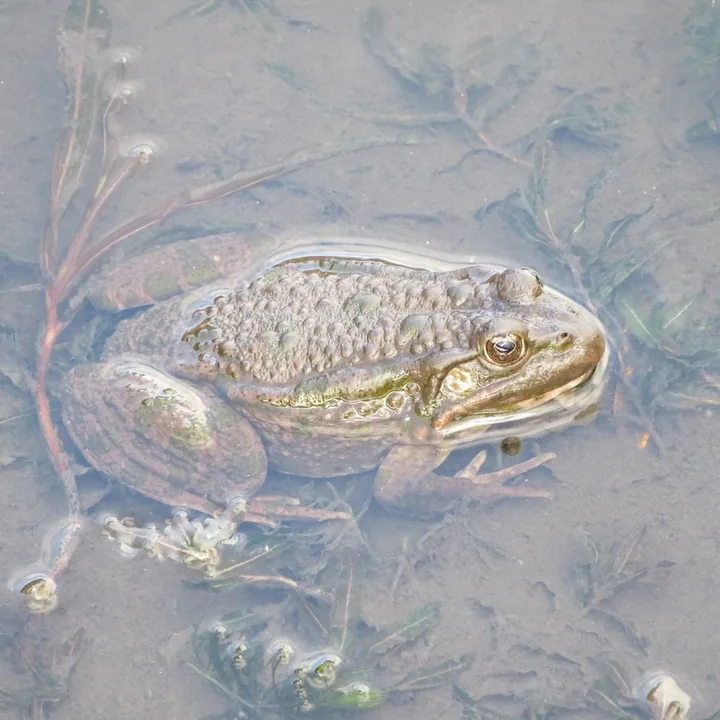
Reference photograph of Marsh Frog
Reference photograph by Марина · source · CC BY. Display-sized derivative.

Study collection 01

Marsh Frog

Pelophylax ridibundus

Range Native to Europe and parts of western Asia, reaching east to Kazakhstan, Iran and Afghanistan; an isolated relict population occurs in southern Hadhramaut, Saudi Arabia. Introduced populations are reported in Switzerland, Belgium, Spain, Sardinia, the Kamchatka Peninsula, the United Kingdom and the Al-Kharj region of Saudi Arabia.

Habitat Usually associated with large, warm bodies of water with herbaceous vegetation, but it also uses ponds, rivers, puddles, lakes, fish ponds, flooded land and brackish coastal pools. It occurs in forests, grasslands, steppes and deserts up to 2,500 m.

Diet Mostly arthropods and other invertebrates, supplemented by small fish, other amphibians—including its own species—and reptiles; the supplied source also reports small birds as prey.

The marsh frog can tolerate brackish water, and it has been recorded living and breeding in salty pools along the shores of the Caspian and Black seas.

Research sources: English Wikipedia ↗

Explore matching products ↗
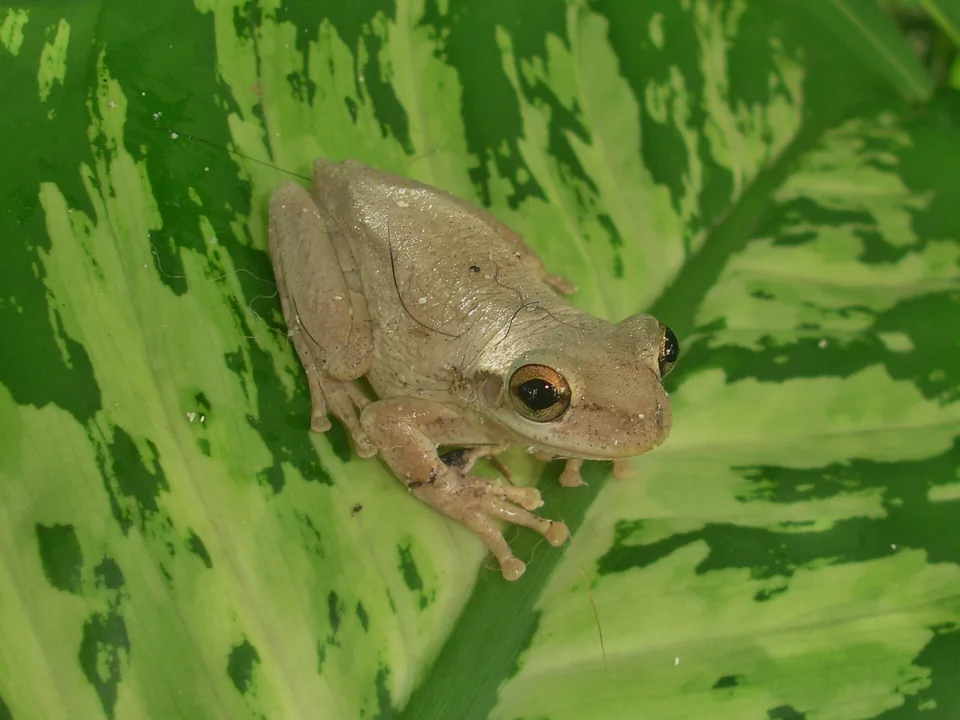
Reference photograph of Cuban Tree Frog
Reference photograph by Thomas Brown · source · CC BY 2.0. Display-sized derivative.

Study collection 01

Cuban Tree Frog

Osteopilus septentrionalis

Range Native to Cuba, the Bahamas and the Cayman Islands; introduced populations occur in parts of the Caribbean and the southern United States, including Florida.

Habitat Occurs in damp, shady places in forests, swamps, agricultural areas, suburbs, towns and around buildings, cisterns and rain barrels.

Diet A broad diet of animals small enough to fit in its mouth; tadpoles feed mainly on algae and may also eat other tadpoles.

Its rough, mottled skin can change color and pattern for camouflage. Bright yellow inner thighs flash into view when the frog jumps, which can confuse a predator.

Research sources: English Wikipedia ↗

Explore matching products ↗
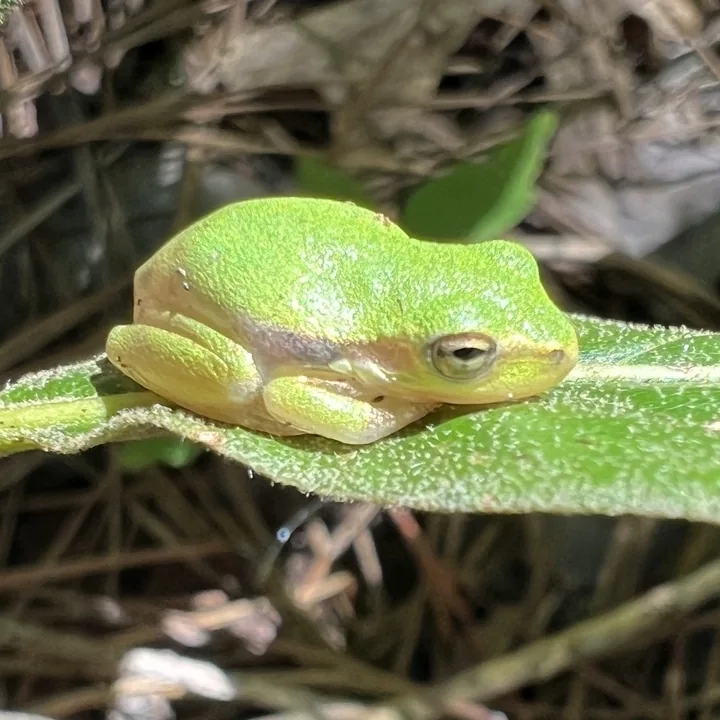
Reference photograph of Squirrel Tree Frog
Reference photograph by Anne Parker · source · CC BY. Display-sized derivative.

Study collection 02

Squirrel Tree Frog

Dryophytes squirellus

Range Native from southeastern Virginia south to the Florida Keys and west along the Gulf Plain to southeastern Texas; introduced to Grand Bahama Island and Little Bahama Bank.

Habitat Uses wetlands, temporary pools, wooded and open areas, urban settings, vegetation, buildings and other places offering food, moisture and shelter.

Diet Tadpoles scrape organic and inorganic matter from rocks, plants and logs. Adults eat insects and other invertebrates, including beetles, spiders, crickets and ants.

Its color can shift among green, yellow and brown shades, helping the frog blend with its background. This variability can make it difficult to distinguish from similar tree frogs.

Research sources: English Wikipedia ↗ · Encyclopedia of Life ↗

Explore matching products ↗
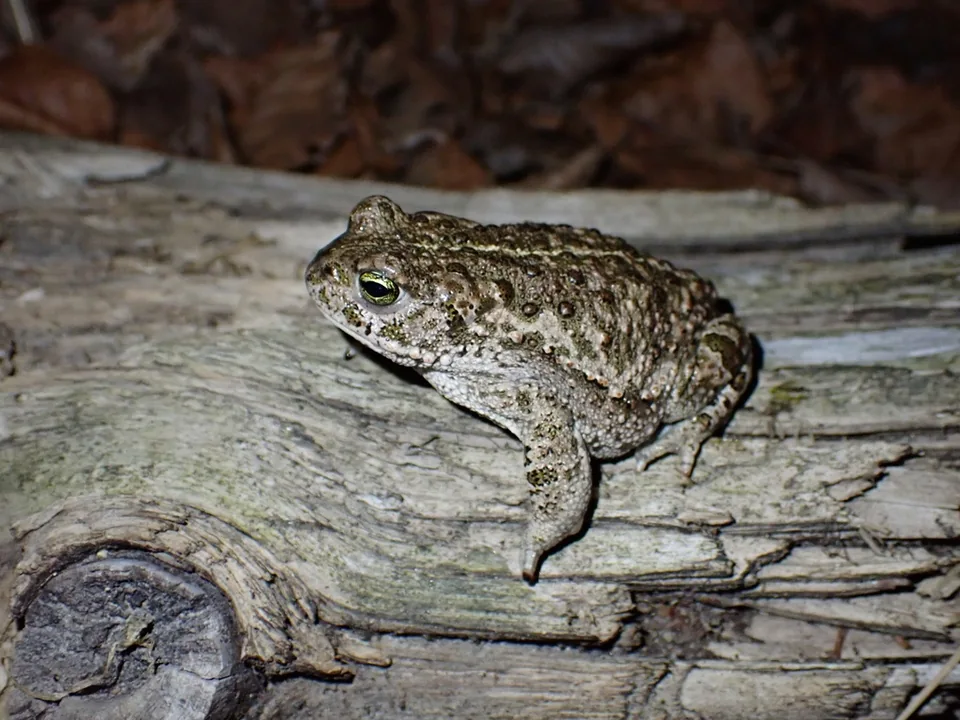
Reference photograph of Natterjack Toad
Reference photograph by Mathijs · source · CC BY. Display-sized derivative.

Study collection 02

Natterjack Toad

Epidalea calamita

Range Native across Europe; populations extend through 17 European countries. Introduced to a dune site in County Wexford, Ireland, and reintroduced in Wales.

Habitat Sandy and heathland areas, including coastal sites; in southern mainland Europe it also occurs inland in varied habitats.

Diet Feeds mainly on insects, especially beetles.

A yellow line runs down the middle of the back, and the paratoid glands behind the eyes are parallel—useful clues for distinguishing this toad from the common toad.

Research sources: English Wikipedia ↗

Explore matching products ↗
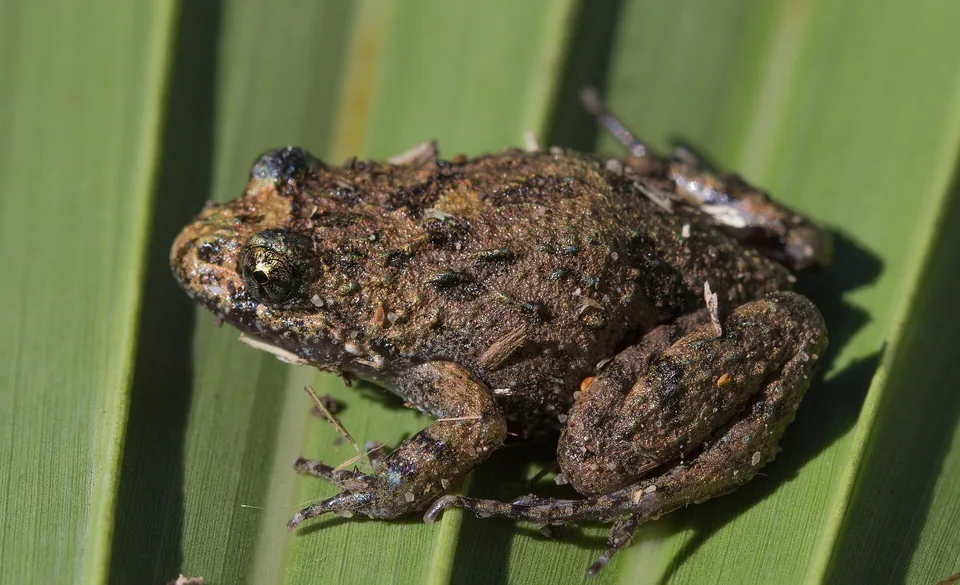
Reference photograph of Ornate Burrowing Frog
Reference photograph by Graham Wise from Brisbane, Australia · source · CC BY 2.0. Display-sized derivative.

Study collection 02

Ornate Burrowing Frog

Platyplectrum ornatum

Range Native to Australia, from western Sydney to Cape York in Queensland and across to Western Australia along both sides of the Great Dividing Range.

Habitat Wet sclerophyll forest in coastal areas and woodland in more arid regions; it breeds in still water bodies such as dams, puddles and flooded grassland.

Its enlarged foot tubercles help it burrow feet first, scraping soil as it disappears underground.

Research sources: English Wikipedia ↗

Explore matching products ↗
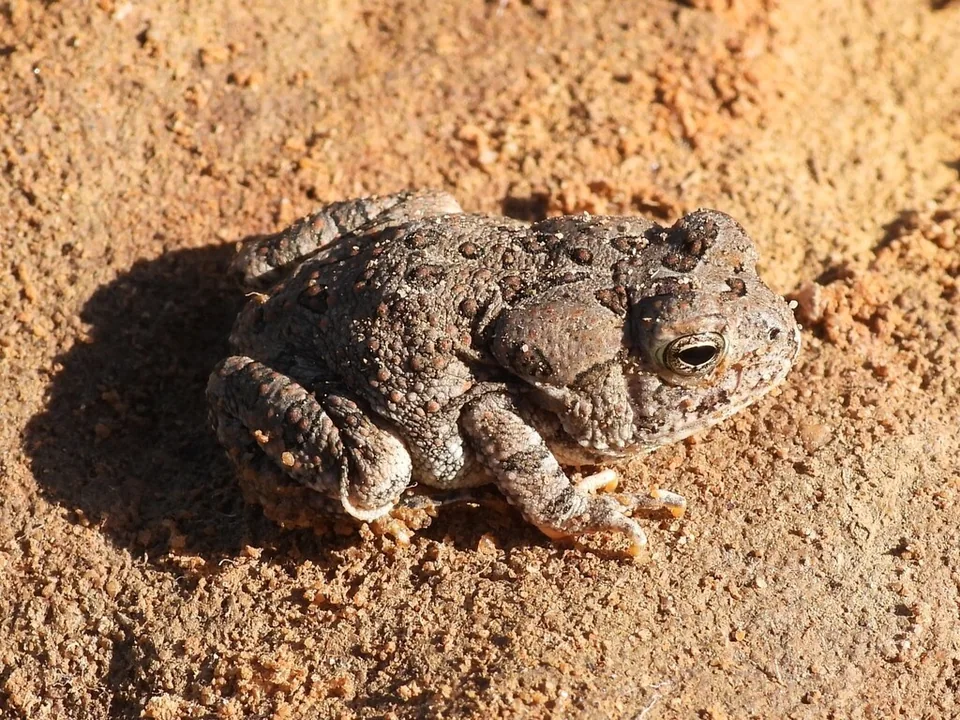
Reference photograph of Fowler's Toad
Reference photograph by geosesarma · source · CC BY. Display-sized derivative.

Study collection 02

Fowler's Toad

Anaxyrus fowleri

Range Native to eastern North America, including much of the eastern and southeastern United States and parts of southeastern Canada.

Habitat Uses wetlands for breeding and a variety of open, terrestrial habitats; it burrows during hot, dry periods and winter.

Diet Adults eat insects and other small terrestrial invertebrates; tadpoles scrape algae and bacterial mats from rocks and plants.

A calling male may accidentally clasp another male. The misidentified toad responds with a chirping “release call,” signaling that it is not a female.

Research sources: English Wikipedia ↗

Explore matching products ↗
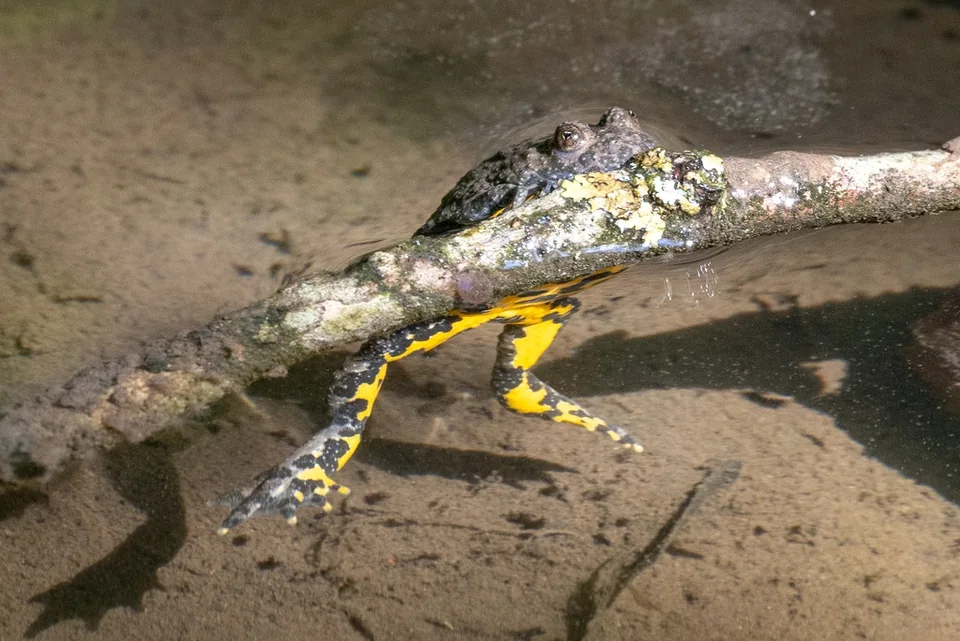
Reference photograph of Yellow-bellied Toad
Reference photograph by Wolfgang Thomas · source · CC BY. Display-sized derivative.

Study collection 02

Yellow-bellied Toad

Bombina variegata

Range Distributed mainly across western Europe, with a smaller, more isolated distribution also extending into parts of eastern Europe; commonly reported from France, Germany, Belgium and the Netherlands.

Habitat Mountainous regions and shallow breeding pools, including temporary ponds and rocky riverbanks.

Its dark, warty back helps it blend into its surroundings, but when threatened the toad can expose a bright yellow-to-orange underside as a warning. It may also puff up or remain motionless, depending on the threat.

Research sources: English Wikipedia ↗

Explore matching products ↗
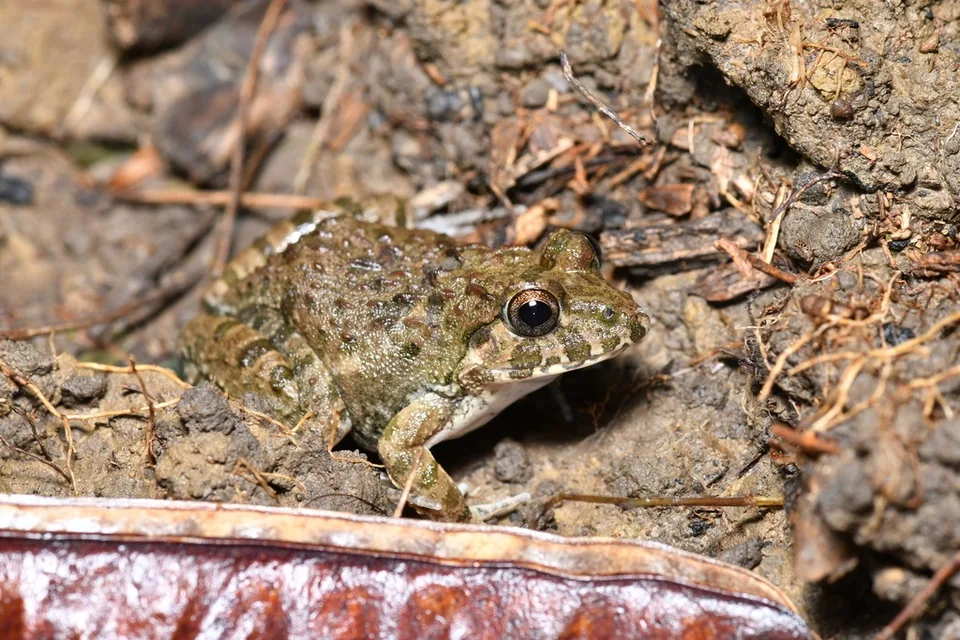
Reference photograph of Paddy Field Frog
Reference photograph by Yung-Lun Lin · source · CC BY. Display-sized derivative.

Study collection 02

Paddy Field Frog

Fejervarya limnocharis

Range Parts of Southeast Asia and Indochina; records outside Indonesia, Malaysia, Thailand, Burma, Cambodia, Laos and Vietnam are reported as likely representing other species.

Habitat Commonly found in oil palm plantations in Malaysia.

Diet Broad arthropod diet, including arachnids, beetles, true bugs, ants and bees, termites, butterflies and moths, grasshoppers, snails, cockroaches, springtails, earwigs, flies, and booklice.

Its gray-brown or olive coloring may include a V-shaped dark mark between the eyes and a usually present yellow stripe along the back.

Research sources: English Wikipedia ↗ · Deep Search — licensed web source ↗

Explore matching products ↗
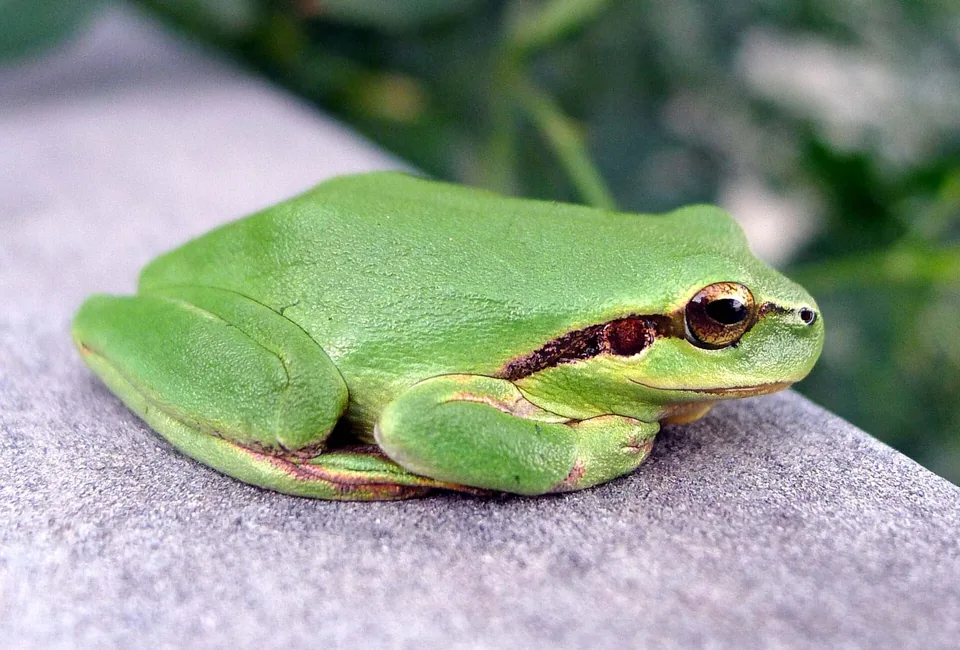
Reference photograph of Mediterranean Tree Frog
Reference photograph by gailhampshire from Cradley, Malvern, U.K · source · CC BY 2.0. Display-sized derivative.

Study collection 02

Mediterranean Tree Frog

Hyla meridionalis

Range Found in south-west Europe and north-west Africa; introduced populations occur in Madeira, the Canary Islands and Menorca.

Compared with the European tree frog, this species is larger, has longer hind legs, and has a flank stripe that reaches only to the front legs. The stripe often begins at the eyes rather than at the nostrils.

Research sources: English Wikipedia ↗

Explore matching products ↗
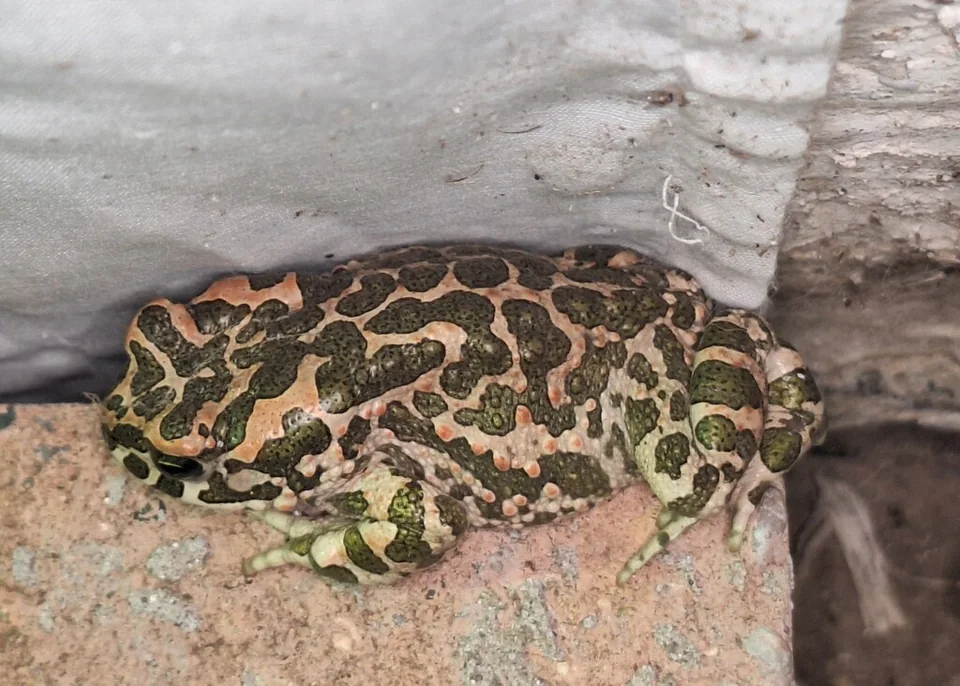
Reference photograph of Green Toad
Reference photograph by Bóna Katalin · source · CC BY. Display-sized derivative.

Study collection 02

Green Toad

Bufotes viridis

Range Mainland Europe, from far eastern France and Denmark to the Balkans, European Russia and the Caucasus. Earlier broader boundaries included regions now assigned to separate green-toad species after genetic and morphological reviews.

Habitat Steppes, mountainous areas, semi-deserts, urban areas and other habitats.

Diet Eats insects and other invertebrates, including crickets, mealworms, small butterflies, earthworms, moths, beetles, ants, spiders and caterpillars.

The back is marked with spots that can range from green to dark brown, and some individuals also show red spots. The underside is white or very lightly coloured.

Research sources: English Wikipedia ↗

Explore matching products ↗
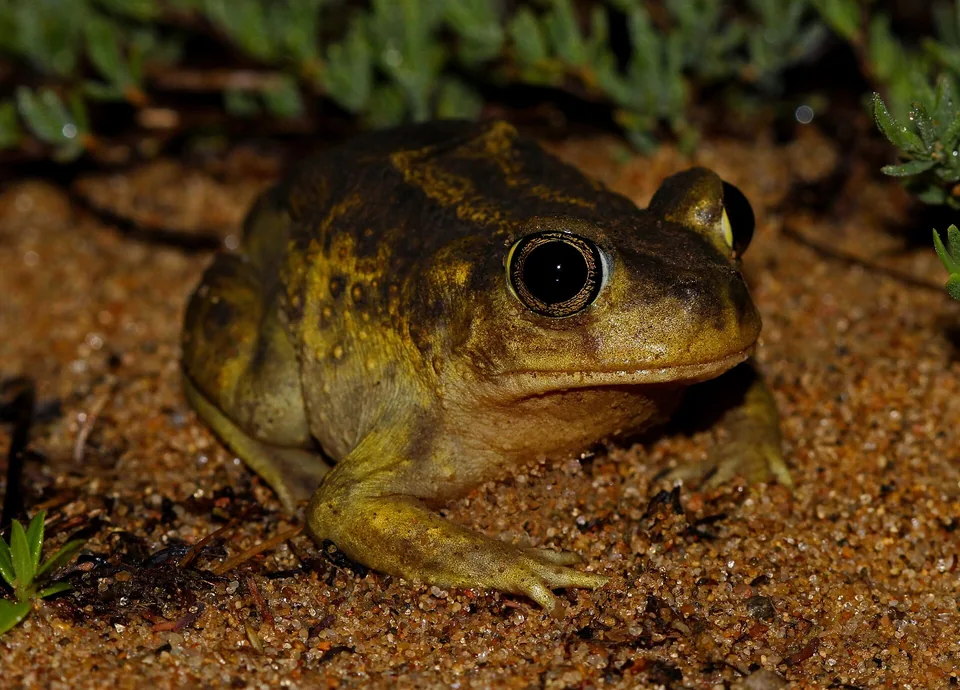
Reference photograph of Eastern Spadefoot
Reference photograph by Peter Paplanus from St. Louis, Missouri · source · CC BY 2.0. Display-sized derivative.

Study collection 02

Eastern Spadefoot

Scaphiopus holbrookii

Range Endemic to the eastern United States, from the southeastern states northward along the Atlantic coast into southern New England, with a western range reaching parts of the central and lower Mississippi Valley region.

Habitat Loose, commonly sandy soils suitable for burrowing; longleaf pine forests with open understories and fish-free ephemeral ponds for breeding.

Diet Small invertebrates, including termites, insects, arachnids, worms, ants, beetles, and grasshoppers; tadpoles are omnivorous.

A curved digging spur on each back foot helps identify this spadefoot. Each spur is generally three times longer than the other toes, and the species also has bright yellow eyes with vertical pupils.

Research sources: English Wikipedia ↗

Explore matching products ↗
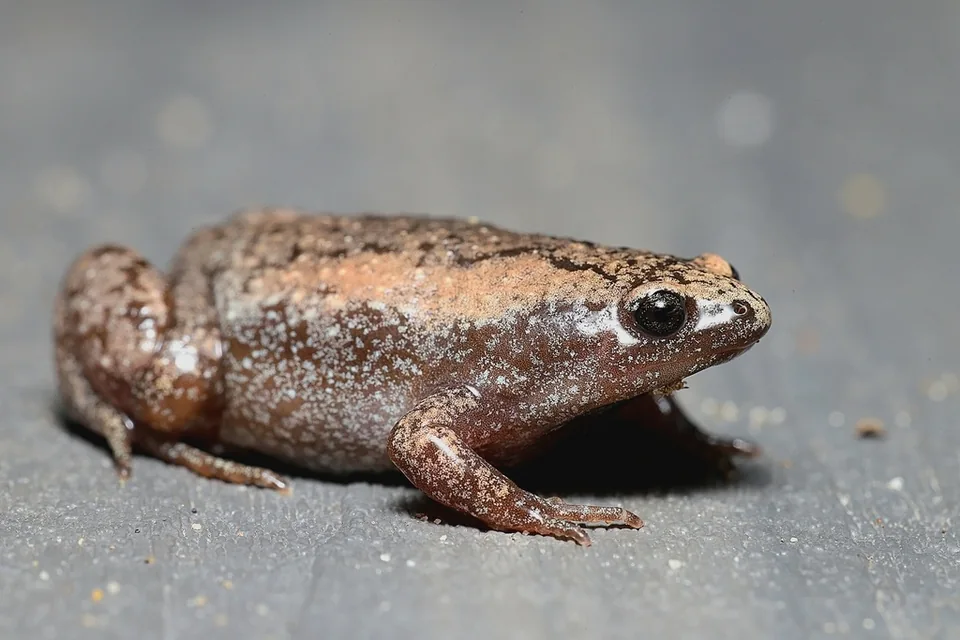
Reference photograph of Eastern Narrow-mouthed Toad
Reference photograph by Katie Bird · source · CC BY. Display-sized derivative.

Study collection 02

Eastern Narrow-mouthed Toad

Gastrophryne carolinensis

Range Native to the southeastern United States, from southern Maryland to the Florida Keys and west to Missouri, Arkansas and Texas, with an isolated colony in Iowa. Introduced populations occur in the Bahamas and Cayman Islands.

Habitat Damp, shady habitats with moisture and shelter, including wetlands, woodlands, coastal habitats, temporary waters and some suburban or urban settings.

Diet Primarily ants; also termites, small beetles and other arthropods.

Ants make up about 95% of its prey items in the reported Florida study, making this frog an unusually specialized ant hunter.

Research sources: English Wikipedia ↗

Explore matching products ↗
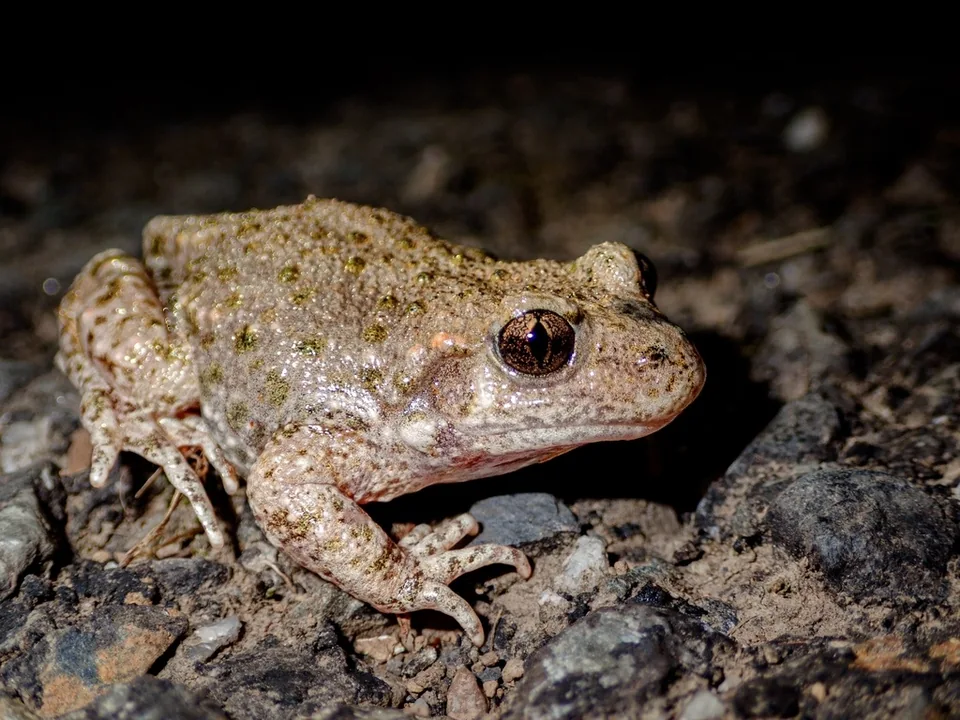
Reference photograph of Common Midwife Toad
Reference photograph by Gonzalo Colomer · source · CC BY. Display-sized derivative.

Study collection 03

Common Midwife Toad

Alytes obstetricans

Range Native across parts of northwestern and southwestern Europe; introduced in the United Kingdom.

Habitat Usually lives near water, including in sunny hilly areas, cultivated land, quarries, rocky slopes, gravel pits, woods, parks and gardens.

Diet Feeds mostly on insects and other arthropods, as well as carrion.

The male carries the eggs. After fertilizing the jelly-covered strings, he pulls them around his hind legs and keeps them moist until they are ready to hatch.

Research sources: English Wikipedia ↗

Explore matching products ↗
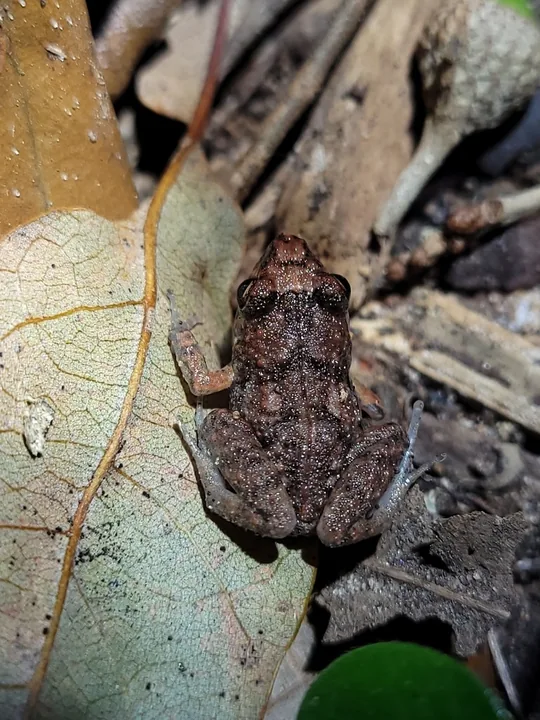
Reference photograph of Greenhouse Frog
Reference photograph by Meghan Waldon · source · CC BY. Display-sized derivative.

Study collection 03

Greenhouse Frog

Eleutherodactylus planirostris

Range Native to Cuba, the Bahamas and the Cayman Islands; introduced to Florida, Hawaii, Guam, Jamaica, Hong Kong and Shenzhen.

Habitat Moist leaf litter, often near human habitations; concealed locations such as beneath logs, buried debris and under flower pots are also used for egg-laying.

Diet Small invertebrates, including ants, beetles, mites, spiders and roaches.

The eggs stay out of the water: each is enclosed in a thick membrane and hidden in a damp place such as beneath a log, inside debris or under a flower pot.

Research sources: English Wikipedia ↗

Explore matching products ↗
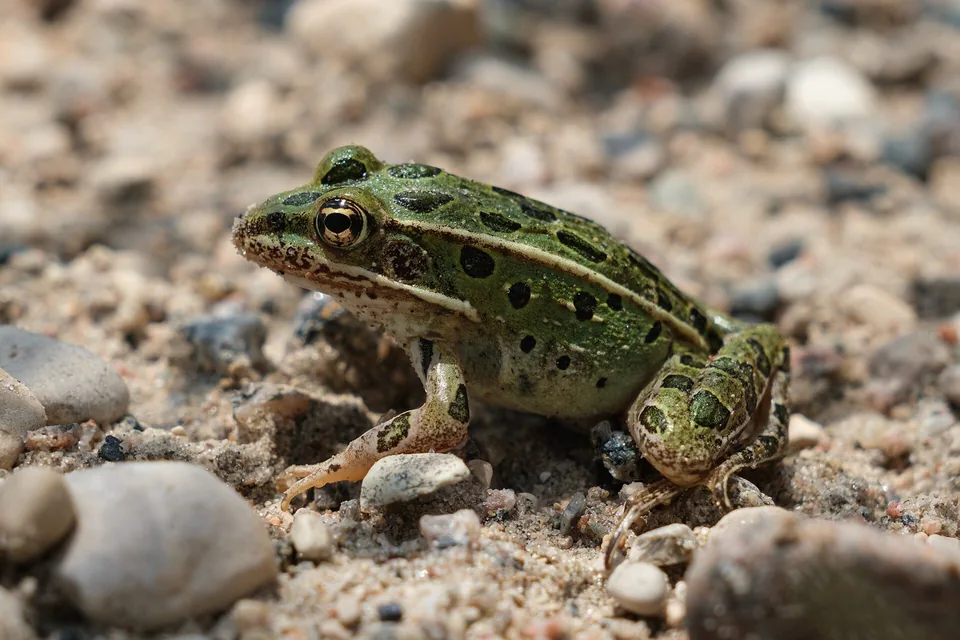
Reference photograph of Northern Leopard Frog
Reference photograph by Jasper Shide · source · CC0. Display-sized derivative.

Study collection 03

Northern Leopard Frog

Lithobates pipiens

Range Native to parts of Canada and the United States.

Habitat Uses permanent ponds, swamps, marshes and slow-moving streams in forested, open and urban areas; in summer it often moves into grassy areas and lawns.

Diet Eats a wide variety of animals, including crickets, flies, worms, smaller frogs, birds and garter snakes.

Its green or brown back is marked with large, dark, circular spots, usually enclosed by lighter rings. A rarer burnsi morph lacks spots on the back, though spots may remain on the legs.

Research sources: English Wikipedia ↗

Explore matching products ↗
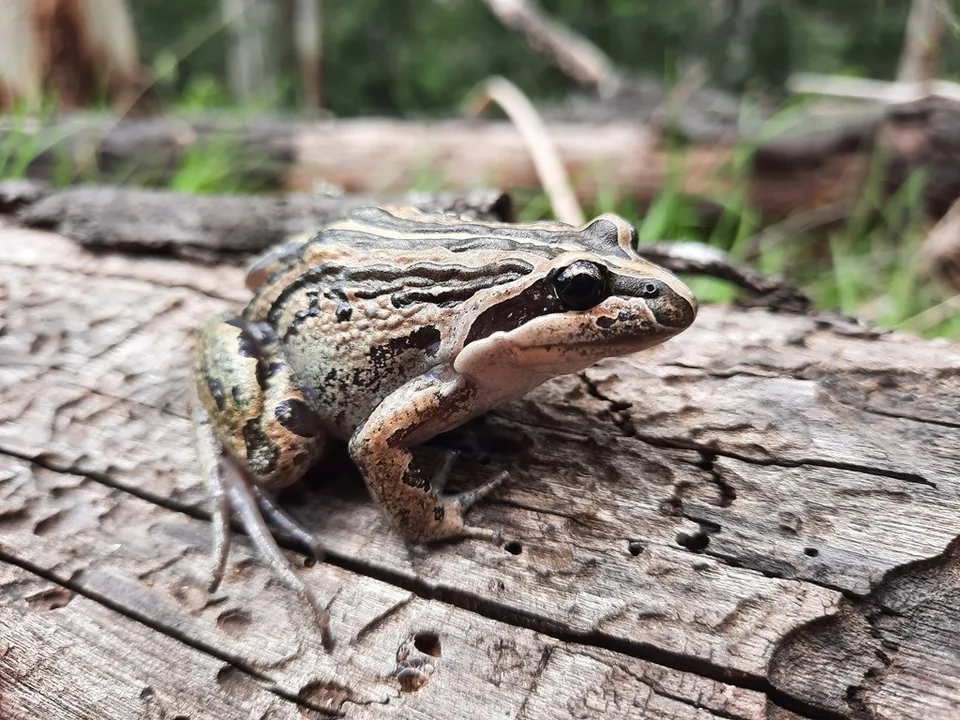
Reference photograph of Striped Marsh Frog
Reference photograph by spacegecko · source · CC BY. Display-sized derivative.

Study collection 03

Striped Marsh Frog

Limnodynastes peronii

Range Native to coastal Eastern Australia, from southern Cape York Peninsula through coastal New South Wales and southern Victoria to southeastern South Australia and northern Tasmania.

Habitat Predominantly aquatic; found in ponds, roadside ditches, creeks, dams, flooded areas and other water bodies, including garden ponds and polluted water.

Diet Feeds on other frogs, including Bibron's toadlet.

The frog’s bold pattern is easy to spot: darker stripes run down its back, usually alongside a paler stripe along the middle, while a black mask extends from the nostril past the eye.

Research sources: English Wikipedia ↗

Explore matching products ↗
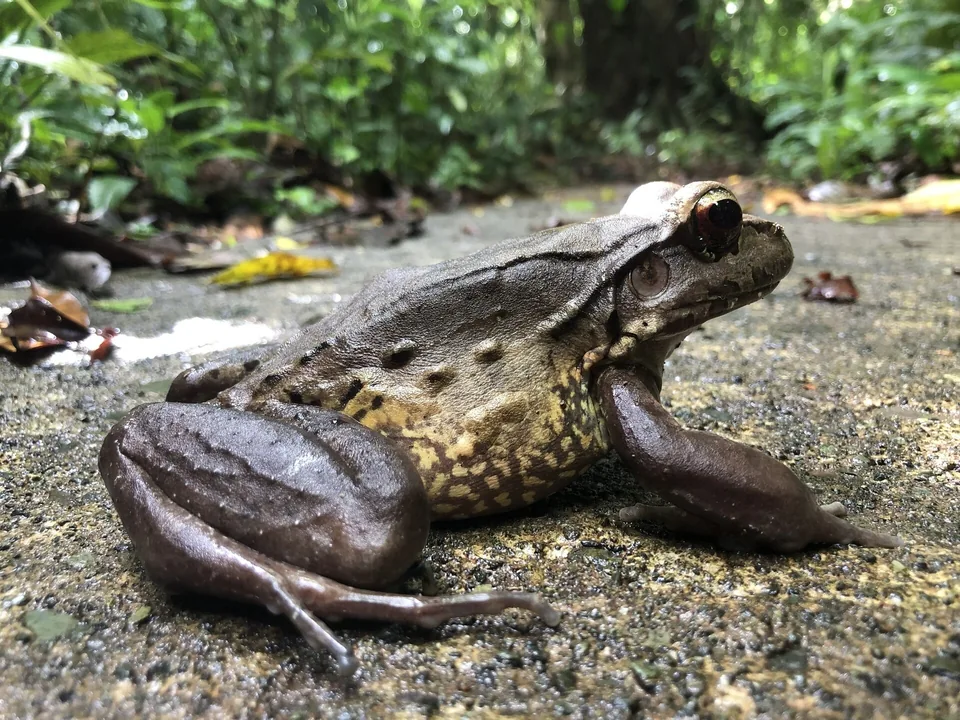
Reference photograph of Savage's Thin-toed Frog
Reference photograph by Roger A. Morales-Flores · source · CC BY 4.0. Display-sized derivative.

Study collection 03

Savage's Thin-toed Frog

Leptodactylus savagei

Range Eastern Honduras through Nicaragua, Costa Rica and Panama to Colombia adjacent to Panama; a seemingly disjunct population occurs near Santa Marta in northern Colombia. Recorded from near sea level to 660 m.

Habitat Terrestrial frog found from near sea level to 660 m; males call from rain-produced puddles.

Diet Larvae eat dead tadpoles of their own species.

A male calls from a rain-made puddle. When a female approaches, he clasps her in axillary amplexus—a hold around the front of the body.

Research sources: English Wikipedia ↗

Explore matching products ↗
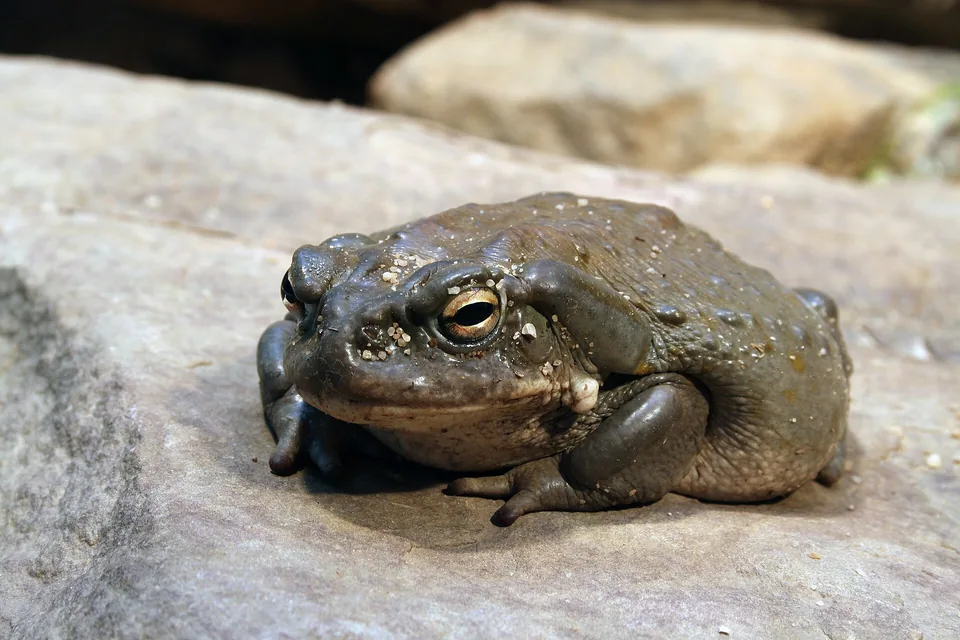
Reference photograph of Sonoran Desert Toad
Reference photograph by Holger Krisp · source · CC BY 3.0. Display-sized derivative.

Study collection 03

Sonoran Desert Toad

Incilius alvarius

Range Northwestern Mexico and the southwestern United States; in the United States, it occurs around the lower Colorado River and Gila River catchments, extreme southwestern New Mexico, and much of southern Arizona. It is considered possibly extirpated from California; in Mexico, it occurs in Sonora, Sinaloa, and Chihuahua.

Habitat Desert and semi-arid habitats, especially around water. It may use rodent burrows and breed in natural or artificial water bodies.

Diet An active forager that eats invertebrates, lizards, small mammals, and amphibians.

Unlike most vertebrates, this toad takes in much of its water through the skin of its abdomen. A specialized area called the seat patch, extending from the middle of the abdomen toward the hind legs, helps it rehydrate quickly from shallow pools or wet surfaces.

Research sources: English Wikipedia ↗

Explore matching products ↗
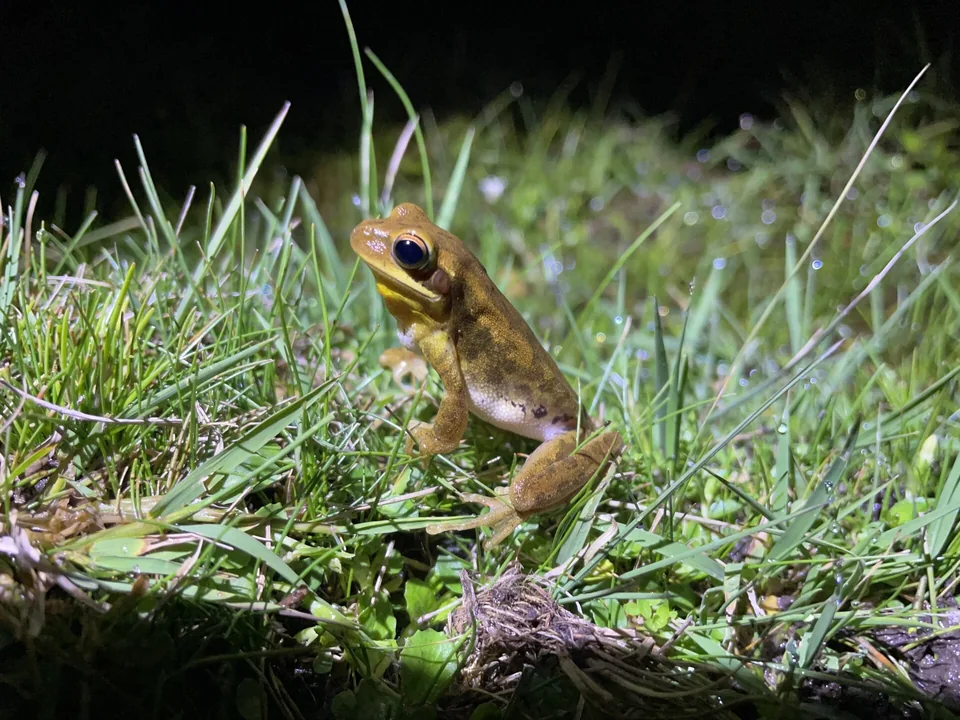
Reference photograph of Montevideo Tree Frog
Reference photograph by Gabriel Laufer · source · CC0. Display-sized derivative.

Study collection 03

Montevideo Tree Frog

Boana pulchella

Range Found in eastern, central, and northern Argentina; south-eastern Brazil; south-eastern Paraguay; and Uruguay.

Habitat Occurs in open habitats including forests, grasslands, and flooded savannas. Breeding takes place in permanent ponds and flooded grasslands.

Diet Feeds mostly on spiders, dipterans, and crickets.

Its diet is built around three familiar kinds of prey: spiders, dipterans, and crickets.

Research sources: English Wikipedia ↗

Explore matching products ↗
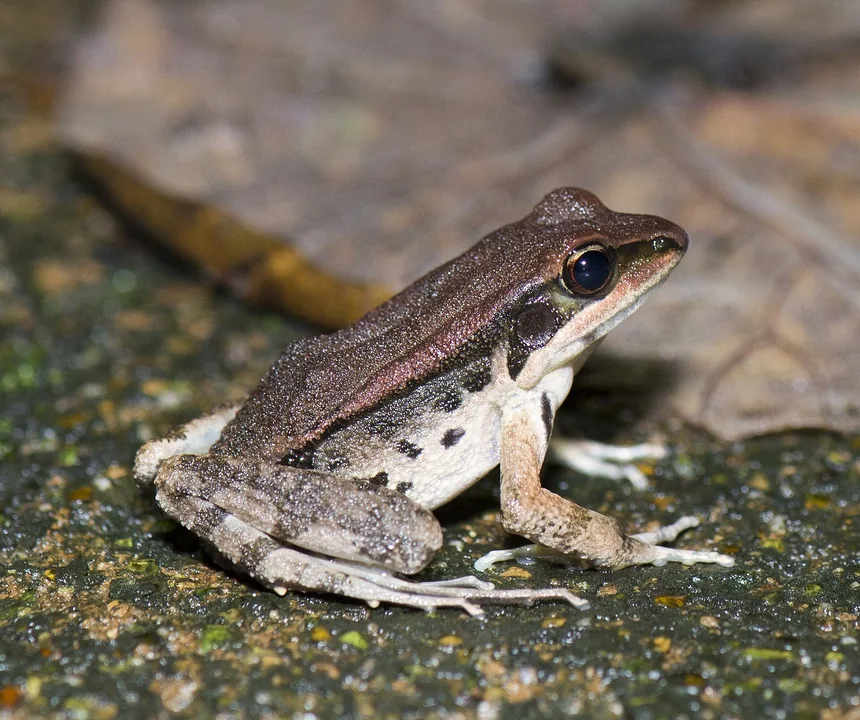
Reference photograph of LaTouche's Frog
Reference photograph by LiCheng Shih · source · CC BY 2.0. Display-sized derivative.

Study collection 03

LaTouche's Frog

Hylarana latouchii

Range Southern and eastern China and Taiwan; frogs from Taiwan might represent a separate species from mainland populations.

Habitat Moist lowland and montane forests, wetlands, rivers, ponds, canals, ditches and other freshwater-modified habitats.

The species was described from three specimens collected at Guadun village in Wuyishan, Fujian, China. Its specific name honours John D. La Touche, the collector of the type series.

Research sources: English Wikipedia ↗

Explore matching products ↗
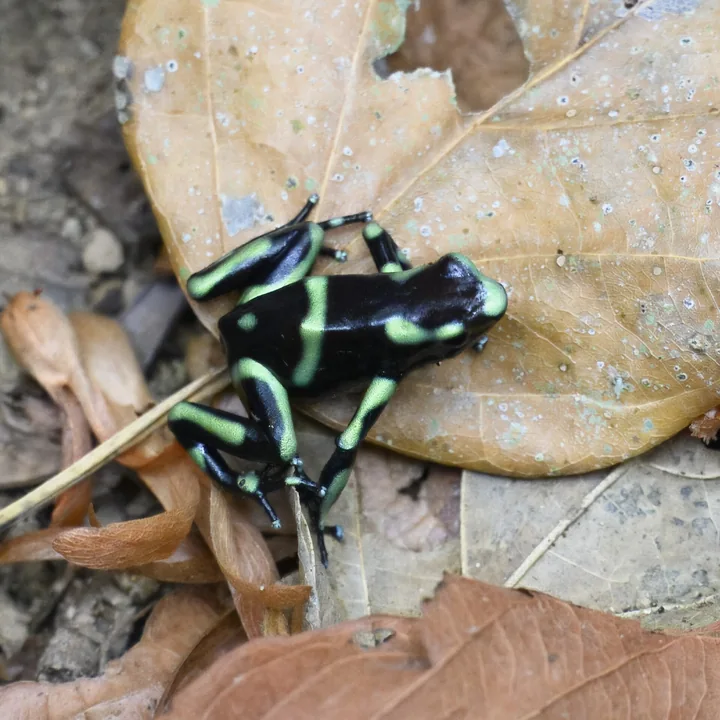
Reference photograph of Green-and-black Poison Dart Frog
Reference photograph by lwolfartist · source · CC BY 2.0. Display-sized derivative.

Study collection 03

Green-and-black Poison Dart Frog

Dendrobates auratus

Range Native to southern Central America and Colombia; introduced to Oahu, Hawaii, and later apparently established on Maui.

Habitat Humid lowland and submontane forests from 0–1,000 m; frogs also use water-filled bromeliad leaves.

Diet Arthropods, primarily ants and mites; captive frogs are fed crickets and fruit flies.

Color and pattern vary dramatically with location. Some forms are spotted or banded mint-green and black, while others may be brown and cream-white or almost entirely dark.

Research sources: English Wikipedia ↗

Explore matching products ↗
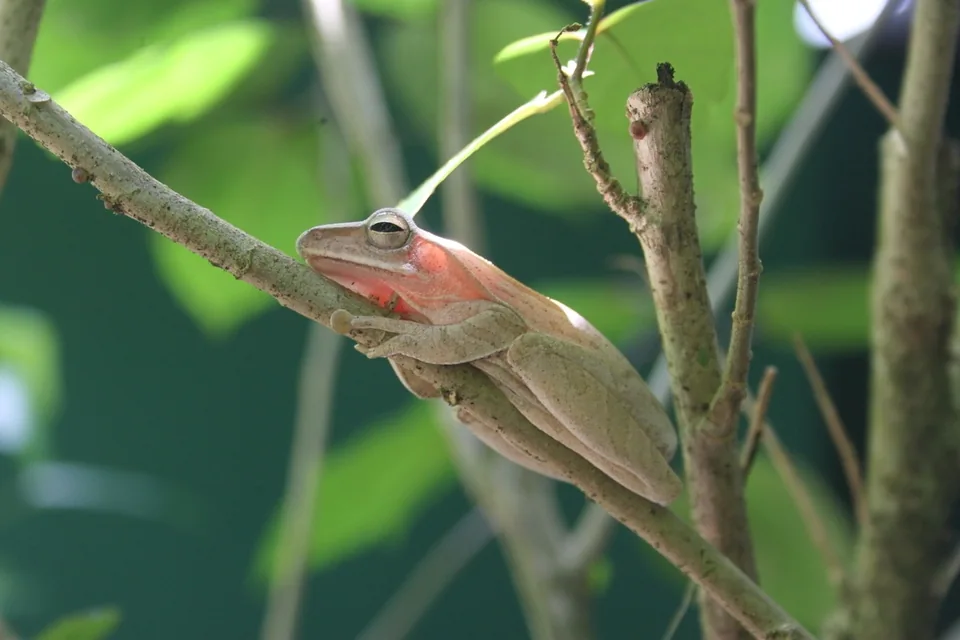
Reference photograph of Common Southeast Asian Tree Frog
Reference photograph by Emily Nyenyedzi Davies · source · CC BY. Display-sized derivative.

Study collection 03

Common Southeast Asian Tree Frog

Polypedates leucomystax

Range Mainland range is below the Isthmus of Kra and west of the Tenasserim Range; introduced in Papua and Japan. The range has expanded in the Philippines and Indonesia, including through agricultural shipments.

Habitat Uses forests, shrubland, seasonally wet grassland, wetlands, rivers, ponds and other freshwater habitats, as well as agricultural land, plantations, gardens and urban areas.

Diet Adults are opportunistic feeders. Insects, especially orthopterans such as grasshoppers and crickets, make up most recorded prey; other arthropods, gastropods and occasional small vertebrates are also eaten.

Its body color can vary through gray, green, yellow, reddish and dark-brown shades. Individuals are often marked with four stripes along the back, and some have a distinct white spot at the snout.

Research sources: English Wikipedia ↗ · Authoritative factual reference ↗

Explore matching products ↗
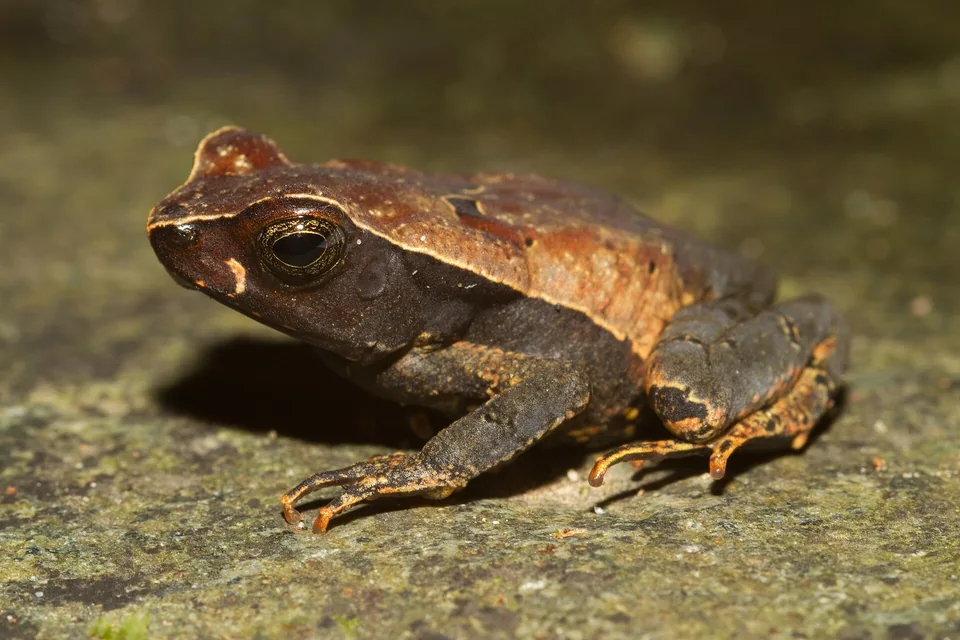
Reference photograph of Leaf Litter Toad
Reference photograph by Brian Gratwicke · source · CC BY 2.0. Display-sized derivative.

Study collection 04

Leaf Litter Toad

Rhaebo haematiticus

Range Eastern Honduras, Nicaragua, Costa Rica, Panama, Colombia, northwestern Venezuela, and northwestern Ecuador; from sea level to 1,300 m elevation.

Habitat Primary tropical moist forest and submontane humid forest; during breeding seasons, found along small streams and large rivers.

This toad is active at night and lives among leaf litter, where its presence may be easiest to notice after dark rather than during daytime searches.

Research sources: English Wikipedia ↗

Explore matching products ↗
Reference photograph of Túngara Frog
Reference photograph by Dan Schofield · source · CC BY. Display-sized derivative.

Study collection 04

Túngara Frog

Engystomops pustulosus

Range From Mexico through Central America into northern South America, including Trinidad and Tobago and Venezuela; possibly Guyana.

Habitat Lowland and montane environments, often near temporary or permanent water.

Diet Feeds at night among ground litter.

A male’s mating call begins with a drawn-out “whine” and may be followed by short “chucks.” Females generally favor the more complex calls, but those calls also make males easier for frog-eating bats to locate.

Research sources: English Wikipedia ↗

Explore matching products ↗
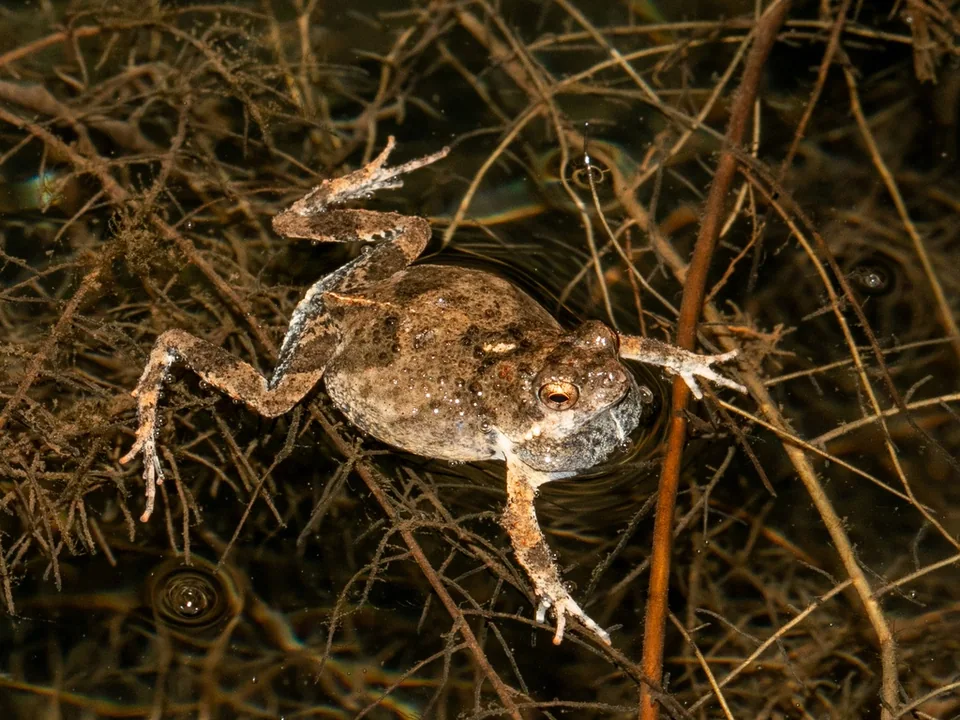
Reference photograph of Common Eastern Froglet
Reference photograph by Matt from Melbourne, Australia · source · CC BY 2.0. Display-sized derivative.

Study collection 04

Common Eastern Froglet

Crinia signifera

Range Southeastern Australia, from South East Queensland through coastal New South Wales and Victoria to southeastern South Australia; also eastern Tasmania.

Habitat Diverse habitats near water, including creek, pond, swamp and seepage margins; often shelters beneath rocks, vegetation and debris.

Diet Small insects.

Individual frogs can look surprisingly different: the back may be smooth, warty or folded, with colours ranging from dark brown and fawn to light or dark grey. A dark triangular mark on the upper lip and darker leg bands are useful details to look for.

Research sources: English Wikipedia ↗

Explore matching products ↗
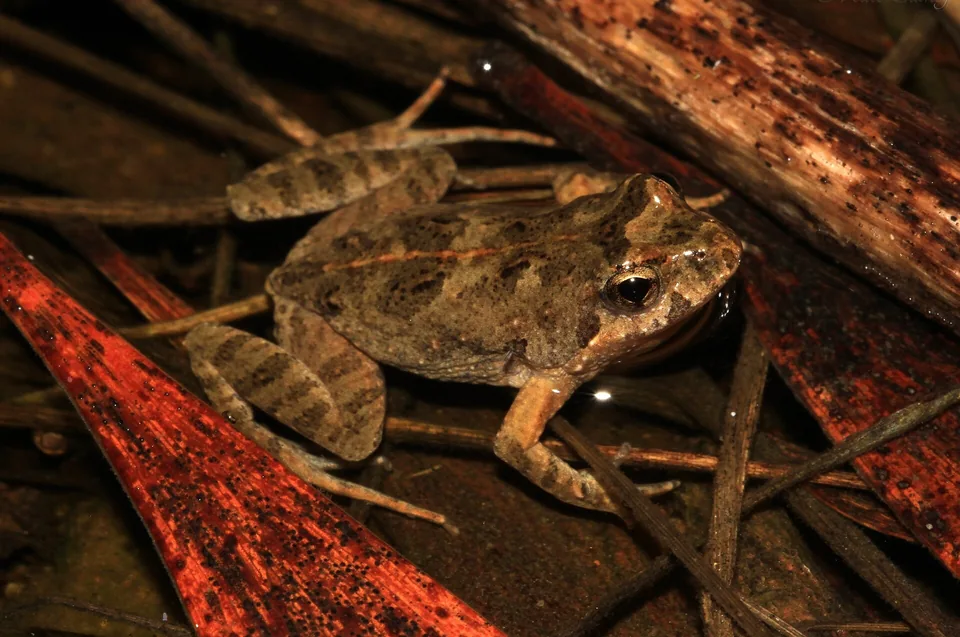
Reference photograph of Gray Treefrog
Reference photograph by Andrew Lai · source · CC BY. Display-sized derivative.

Study collection 04

Gray Treefrog

Dryophytes versicolor

Range Native to much of the eastern United States and southeastern Canada, with a range extending west to central Texas and Oklahoma.

Habitat Most common in forested areas and highly arboreal; breeds mainly in semipermanent woodland ponds without fish, as well as other still-water habitats.

Diet An opportunistic eater of insects and other invertebrates; it may also take smaller frogs, including other treefrogs.

Its color can shift from gray to green or brown, and individuals may change from nearly black to nearly white. The change is slower than in a chameleon, helping the frog blend with its surroundings.

Research sources: English Wikipedia ↗

Explore matching products ↗
Reference photograph of Painted Globular Frog
Reference photograph by Abhimanyu.A · source · CC BY. Display-sized derivative.

Study collection 04

Painted Globular Frog

Uperodon taprobanicus

Range Native to Nepal, Bangladesh, southern and eastern India, and Sri Lanka; found from sea level to about 1300 m in Sri Lanka.

Habitat A fossorial frog of dry forests, plantations, wetlands, rice fields and disturbed areas near dwellings.

Diet Feeds on a variety of insects.

Its plump body is greyish-black above, marked with symmetrical reddish-brown patches and a colored band running from behind the eye toward the base of the arm. The underside is pale yellowish-grey with dark mottling.

Research sources: English Wikipedia ↗

Explore matching products ↗
Reference photograph of Masked Tree Frog
Reference photograph by Alex Novarro · source · CC BY. Display-sized derivative.

Study collection 04

Masked Tree Frog

Smilisca phaeota

Range Found in Colombia, Costa Rica, Ecuador, Honduras, Nicaragua, and Panama.

Habitat Subtropical or tropical dry and moist lowland forests, wetlands, rivers, ponds, canals and ditches, plantations, gardens, urban areas, and degraded former forests.

Diet Adults eat invertebrates, especially arthropods.

Dark markings run from the nose back past the eye toward the ear, creating the frog’s mask. Because the pattern crosses the eye, it may help camouflage the frog from predators that locate prey by spotting open eyes.

Research sources: English Wikipedia ↗ · Deep Search — licensed web source ↗

Explore matching products ↗
Reference photograph of Motorbike Frog
Reference photograph by Hugo Innes · source · CC BY. Display-sized derivative.

Study collection 04

Motorbike Frog

Ranoidea moorei

Range Southwest Australia, from the Geraldton Sandplains to the Esperance Plains on the south coast of Western Australia; also present on Rottnest Island.

Habitat Lakes, swamps, garden ponds and farm dams, often around water plants and other vegetation; it also occurs in urban Perth.

Diet Adults mainly eat arthropods and also smaller frogs, including juveniles of their own species. Tadpoles mainly eat algae but also consume animal matter when available.

A male's mating call rises like a motorbike changing through gears, giving the species its familiar common name.

Research sources: English Wikipedia ↗

Explore matching products ↗
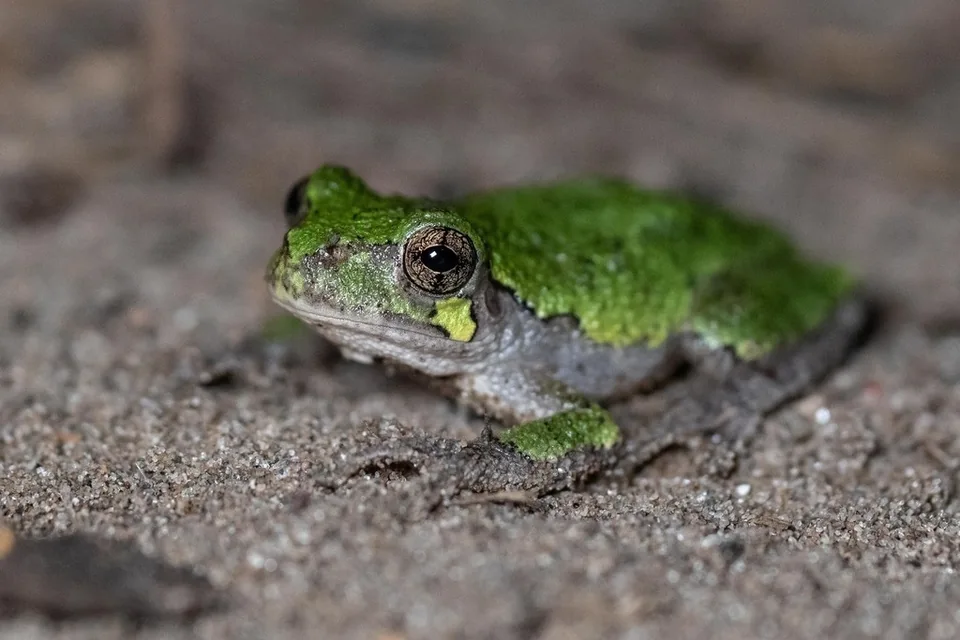
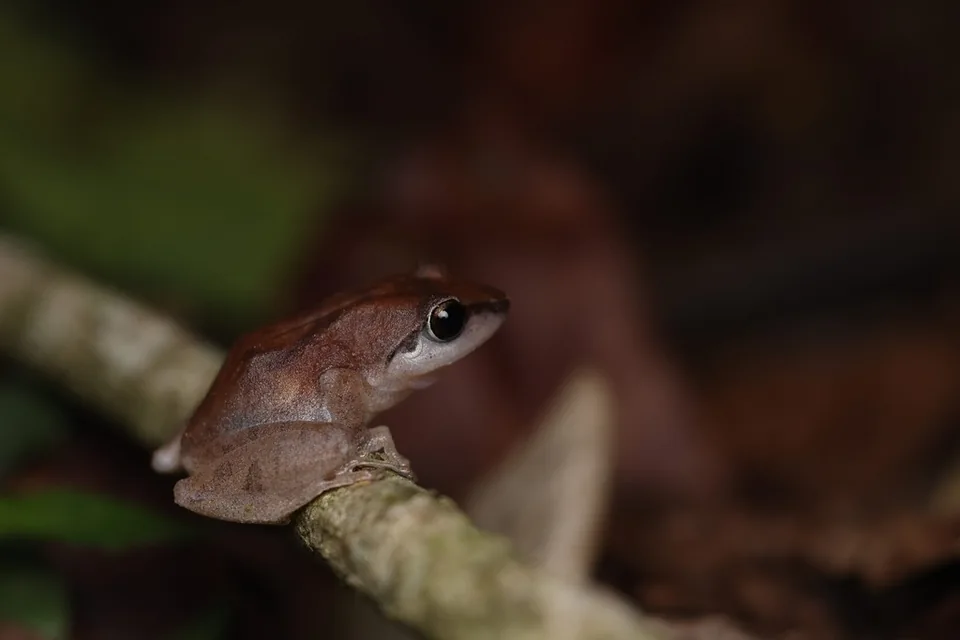
Reference photograph of Waynad bush frog
Reference photograph by Ashrith GS · source · CC BY. Display-sized derivative.

Study collection 04

Waynad bush frog

Pseudophilautus wynaadensis

Range Endemic to the Western Ghats of southwest India; found from Coorg and Wayanad to Periyar, on both sides of the Palakkad Gap.

Habitat Associated with the understorey of tropical moist evergreen forest and shrubland, as well as secondary forest, tea and coffee plantations, wayside vegetation and urban areas.

Its coloration can vary even within one population, ranging from uniform grey to brownish or reddish grey.

Research sources: English Wikipedia ↗

Explore matching products ↗
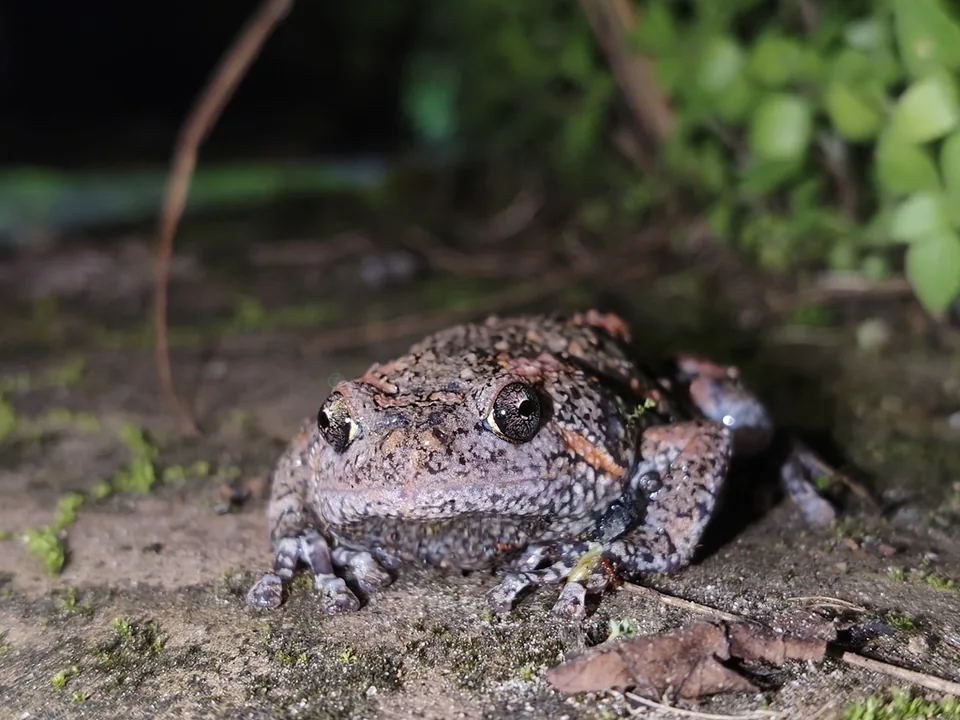
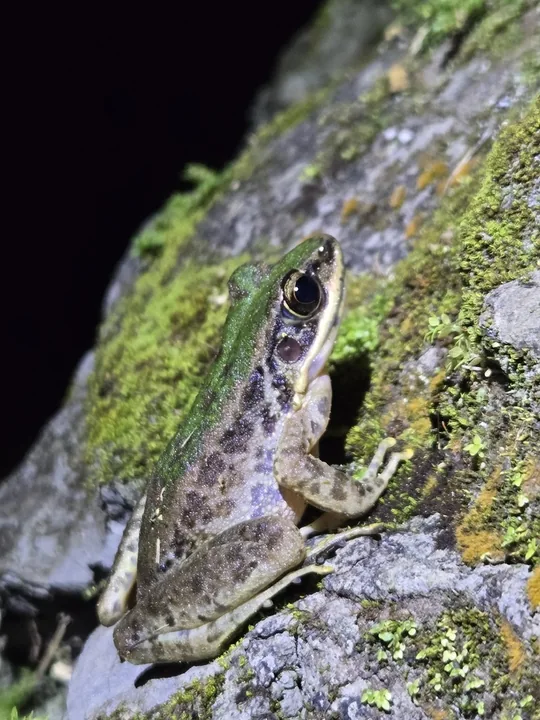
Reference photograph of Swinhoe's frog
Reference photograph by jimmy · source · CC BY. Display-sized derivative.

Study collection 04

Swinhoe's frog

Odorrana swinhoana

Range Endemic to Taiwan; widely distributed in hilly areas below 2,000 m.

Habitat Hill streams in broadleaf forests; breeding occurs in small mountainous, shady, rocky creeks.

Diet Forages on terrestrial and aquatic prey, primarily insects and arachnids, and also eats gastropods, crustaceans, and chilopods.

Its bright green back contrasts with brown or green flanks broken by white or dark mottling. The finely pebbled skin helps make the frog recognizable among streamside rocks and vegetation.

Research sources: English Wikipedia ↗

Explore matching products ↗
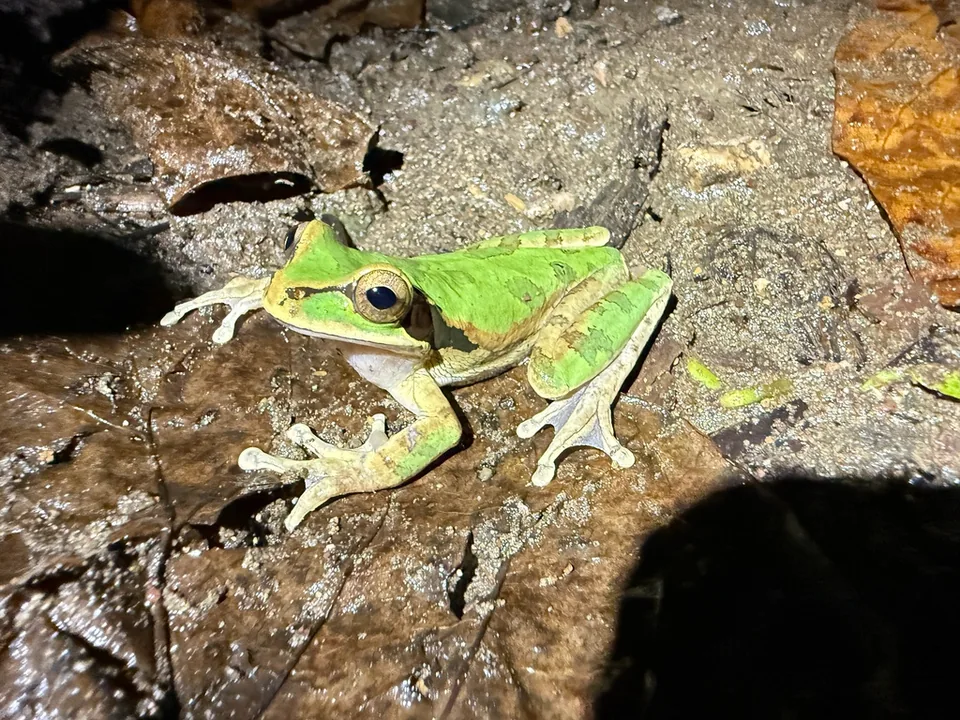
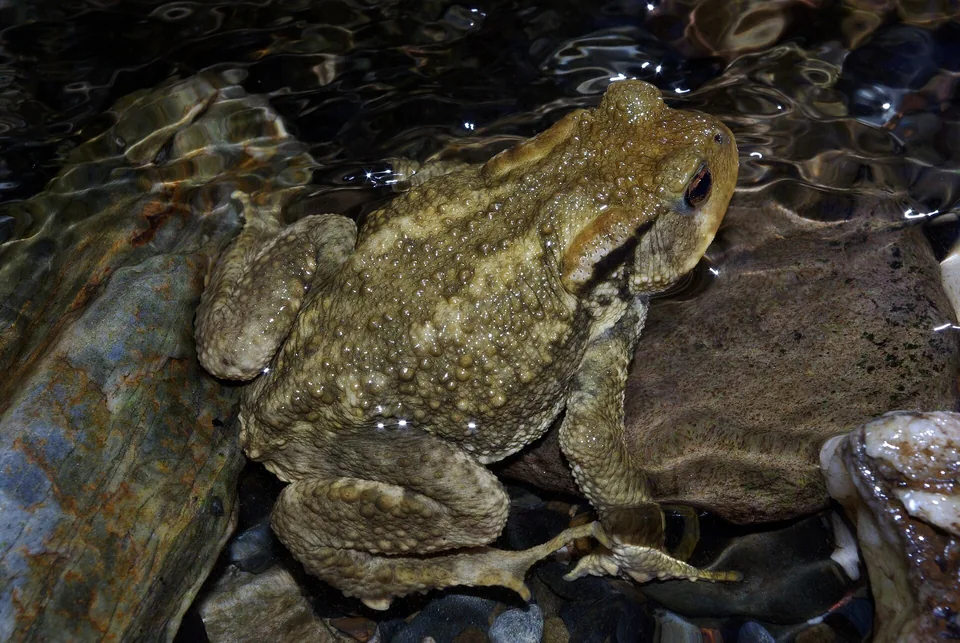
Reference photograph of Spiny Toad
Reference photograph by David Perez · source · CC BY 3.0. Display-sized derivative.

Study collection 04

Spiny Toad

Bufo spinosus

Range Native from the Iberian Peninsula and southern France to northwestern Italy and North Africa, with an isolated population on Jersey.

Habitat Found from sea level to 2600 m in forests, riverbeds, bogs, marshes, sand dunes, shrublands, steppes, meadows, agricultural areas and suburban areas.

Diet Adults eat invertebrates, including earthworms, insects and woodlice. Tadpoles consume detritus, algae, plankton, aquatic plants and arthropods.

Its iris is intensely red, a useful field mark when distinguishing it from other toads living in the same area.

Research sources: English Wikipedia ↗

Explore matching products ↗
Enjoying the field guide?

Get an email when a new collection is ready to print.